

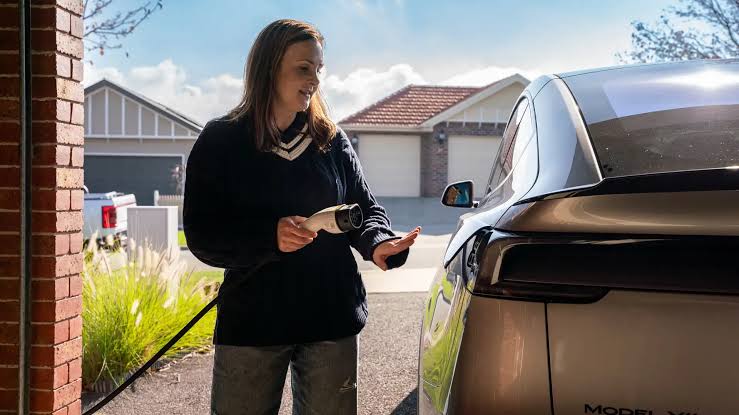
Most new EV owners assume charging at home is a simple matter of plugging in. Sometimes it is. Often it requires planning, and the best time to do that planning is before the car is in the driveway rather than after.
Level 1 Versus Level 2
Level 1 charging uses a standard household outlet. It requires no installation, which is its main advantage, but it adds range slowly, typically only a few miles per hour of charging. For a short commute it can be enough. For most households it is not.
Level 2 charging runs on a 240 volt circuit, the same class of circuit as an electric dryer or range, and it charges several times faster. That usually means a full battery overnight. Level 2 is what most owners end up installing, and it requires a dedicated circuit run from your electrical panel.
Start With the Panel
The most common surprise is capacity. A Level 2 charger is a significant continuous load, and many older homes have 100 amp service that is already close to fully committed. An electrician performs a load calculation to determine whether your existing service can support a charger, and if it cannot, the options are a panel or service upgrade, a lower charger amperage, or a load management device that prevents the charger and other large appliances from drawing at once.
Placement Matters More Than People Expect
- How far the charger sits from the panel, since a longer run means more materials and cost.
- Whether the route passes through finished walls, a crawlspace, or an attic.
- Where the vehicle’s charge port sits when parked, and whether the cable reaches comfortably.
- Whether the charger is indoors or exposed to weather, which affects equipment rating.
- Whether you may add a second EV later, which is worth planning for now.
Permits and Code
EV charger installations generally require a permit and an inspection. This is not red tape for its own sake. It verifies that the circuit is sized correctly, the wiring method is right, and the equipment is properly protected. Permitted work also creates documentation, which matters for insurance, for rebate programs, and when you eventually sell the home.
Hiring the Right Electrician
Look for a licensed contractor who installs chargers regularly, performs a load calculation rather than guessing, handles the permit and inspection, and quotes a fixed price after seeing the site. In the Tri-Valley area of California, Golden Electrical Services is a family-owned C-10 licensed contractor that installs home and commercial EV charging and handles permits as part of the job.
Final Thoughts
Home charging is one of the real advantages of owning an EV, but the install deserves the same attention as any other 240 volt circuit. Have the panel evaluated early, choose the location deliberately, and use a licensed electrician who will leave you with permitted, inspected work.