

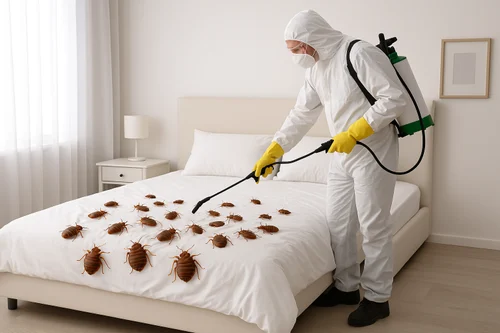
You are reading this at 11:47 p.m., bedroom light on, sheets pulled back. You have already Googled “small brown dots on mattress seam,” and you have a flashlight in one hand. Three nights of disrupted sleep are enough to take this seriously.
Bed bugs move slowly. The damage is quiet: lost sleep, anxious mornings, and the slow drain of treating the wrong thing six times in a row. The bites are real. The shame is unearned. The way out is methodical, not dramatic.
A working bed bug exterminator Fort Worth plan starts with a thorough inspection of the affected rooms. Then comes prep: clear soft items and run them through high heat. Treatment targets baseboards, the space behind light switch plates, the areas around nightstands and dressers, and every seam where the bugs hide during the day. Treatments dry to a pet-safe, child-safe finish, and a licensed team tells you exactly how long to wait before you can use the room again. The same service applies in Fort Worth, Arlington, Weatherford, and nearby cities, where bed bug calls tend to rise each spring.
What follows is the sequence that closes the cycle, written for the homeowner who has already tried the easy answers.
Key Takeaways
- Bed bugs are an emotional problem before they are a chemical problem, and most failed treatments trace back to skipped prep rather than the wrong product.
- A thirty-minute high-heat dryer cycle kills every life stage on soft items, which is why laundry prep matters as much as the spray.
- Resistant strains in DFW apartments shrug off most over-the-counter sprays and foggers, so treatment has to combine prep, inspection, and licensed application.
- Hiding spots include mattress seams, electrical plate cavities, baseboard cracks, dresser joints, and the back panels of nightstands.
- A real plan includes a follow-up inspection at 14-21 days, since eggs hatch outside the initial spray window.
1. The Sleep You’re Losing Before the Bites Show Up
Most infestations announce themselves with a third sleepless night before they announce themselves with a bite. You wake at 3 a.m. for no clear reason, then notice a faint itch you cannot place. By the time the bites show up in a line of three or four on a forearm, the colony has already been feeding for two or three weeks.
The early signals usually arrive in this order:
- A run of restless nights with no obvious cause
- A faint itch on a forearm or shoulder that you cannot place
- A line of two or three bites along the skin that was exposed in bed
- A rust-colored fleck on the sheet near the pillow seam
The mental part is the harder part of the injury. People dealing with an active infestation report higher rates of anxiety, sleep disturbance, and social withdrawal than the bites alone explain.
Friends stop being invited over. Vacations get canceled. A bedroom stops feeling like a bedroom.
Your nervous system has every reason to treat this as a threat. Something is biting you in your sleep, which is exactly the kind of input it evolved to take seriously.
2. The Spray and Pray Cycle Keeps Failing for a Reason
The reflex stack looks the same in every household:
- A bug bomb from the hardware store
- A can of pyrethroid spray labeled for bed bugs
- A mattress and box spring encasement set
- A hot wash of every sheet, pillowcase, and blanket
Bed bugs in DFW apartments have shown documented resistance to pyrethroids since at least the early 2010s. The fogger startles survivors out of the headboard; they walk three feet down the wall, and they keep feeding from a new harborage spot. Two weeks later, the bites come back, often worse, because the colony has now spread to a second piece of furniture.
The cycle drains money: foggers, sprays, encasements, a discarded mattress, a new mattress, a steam cleaner rental, and more sprays. The average homeowner who eventually calls a licensed team has already spent $200-400 trying to solve it on their own.
3. Fecal Spots, Shed Skins, and Light-Switch Cavities
A trained eye knows where to look and what to look for. The signs are small: rust-colored fecal spotting along mattress seams, translucent shed skins in box spring corners, eggs the size of a poppy seed glued into the joint where the headboard meets the wall, and a faint, sweet, musty smell when an infestation is large.
The harborages run farther than the bed itself. Common ones include:
- Behind the faceplate of a light switch on the wall closest to the bed.
- Inside the back panel screws of a nightstand.
- In the upholstery seams of a reading chair pulled near the bed.
- Along the gap where the carpet tack strip meets the baseboard.
- Under loose wallpaper or the edge of a peeling baseboard cap.
A real inspection covers every one of those spots in every adjacent room, because bed bugs travel along the path of least resistance, and most rooms share a wall with the bedroom.
4. The Laundry Room Does Half the Work
Prep is the step most homeowners skip, and it determines treatment success. Every soft item from the affected rooms goes into the dryer on high heat for at least thirty minutes. That includes sheets, blankets, pillows, throw pillows, curtains, decorative covers, and any clothing exposed to the room.
High heat kills every life stage of the insect, including eggs. Washing first is fine, but optional, since the dryer does the work. Items that cannot go through a dryer (leather goods, electronics, sentimental fabrics) get bagged in heavy plastic and held for treatment in a portable heat chamber or a long quarantine.
Stripped rooms also give the technician room to work. Treatment along the bed frame, behind furniture, and into baseboard gaps requires open access, and clutter left in place becomes a harborage that the spray cannot reach.
5. Where Targeted Treatment Reaches Inside a Bedroom
Treatment is targeted. A licensed technician removes the faceplates of every light switch and outlet in the infested room, applies product along the inside seam, and replaces the plate. Baseboards along the bed wall get a band of slow-acting residual product that the bugs walk through on their nightly route.
Furniture treatment focuses on joints: where headboard slats meet the frame, where dresser drawers slide on rails, and where the back panel of a nightstand screws into the carcass. Each joint is a daytime hiding spot. Each one needs direct application.
Inside a single bedroom, the treated zones usually include:
- The inside seam of every outlet and light switch on the bed wall
- The full run of baseboard along the bed wall and behind the nightstand
- The joints where headboard slats meet the frame and where the frame meets the wall
- The drawer rails and back-panel screws of every dresser and nightstand
- The carpet tack strip line where it meets the baseboard
The chemistry dries to a pet-safe and child-safe finish. A licensed applicator follows the product label and gives you a written reentry window for the room, typically 2-4 hours.
6. The Follow-Up That Closes the Door for Good
A single treatment visit clears the active adults. Eggs run on a different timeline. Most bed bug eggs hatch 6-10 days after the first application, and a follow-up visit at the 14-21 day mark catches the new generation before it reaches reproductive maturity.
A working sequence looks like this:
- Day 0: inspection, prep verification, and primary treatment.
- Days 1-4: the room is occupied normally, and sheets are washed weekly on high heat.
- Day 14-21: follow-up inspection and spot retreatment along confirmed harborages.
- Day 30: third inspection of the monitor traps to check for any activity.
- Day 60: final clearance and an ongoing monitor program if requested.
That sequence ends the cycle for the overwhelming majority of Fort Worth homes and apartments. Bedrooms that bounce back twice are almost always cases where prep was skipped, or an adjacent unit in the building had its own untreated infestation.
What comes next is the part most homeowners do not expect: the first uninterrupted night of sleep, then a week of uninterrupted sleep, then a calendar where the word “bedbug” no longer appears in the search bar. The room becomes a bedroom again, and the energy that went into searching and worrying returns to the rest of life.
Frequently Asked Questions
How do I confirm I actually have bed bugs in my Fort Worth home?
Common signs include rust-colored fecal spotting along mattress seams, translucent shed skins in box spring corners, and tiny white eggs glued into headboard joints. Bites alone are not diagnostic, since mosquitoes, fleas, and skin reactions can look similar. The most reliable confirmation is a licensed inspection, which usually takes 30-60 minutes per affected room.
Do bug bombs and store-bought sprays kill bed bugs?
Most over-the-counter foggers and sprays rely on pyrethroids at levels that many DFW bed bug populations resist. These products often scatter survivors from their harborage spots rather than killing them, which can spread the infestation to nearby rooms. Licensed treatment pairs targeted application with heat, followed by a follow-up visit to break the egg-hatch cycle.
What does the prep before a bed bug treatment involve?
Remove soft items from affected rooms, including sheets, blankets, pillows, curtains, and clothing, and run them through a dryer on high heat for at least 30 minutes. Seal treated items in plastic bags until clearance. Clear floor space along baseboards and behind furniture so the technician can reach joints and cracks. The dryer kills every life stage.
Is one treatment visit enough to eliminate bed bugs?
One visit can remove active adults, but eggs often hatch 6-10 days later. Long-term control requires a follow-up inspection around days 14-21, with spot retreatment where monitors or inspections confirm activity. Most Fort Worth homes reach full clearance within 30-60 days when prep, treatment, and follow-up are completed in order.