

Carbon monoxide is one of the most dangerous gases found inside homes. You cannot see it, smell it, or taste it, which makes it difficult to detect without the right device. Many homeowners only notice a problem after symptoms appear, including headaches, dizziness, or nausea. That is why a reliable carbon monoxide alarm has become an important part of modern home safety.
Why Carbon Monoxide Is a Serious Indoor Risk
Carbon monoxide forms when fuel does not burn completely. Common household items such as gas stoves, fireplaces, furnaces, generators, and water heaters can produce it. If these appliances are not maintained properly, gas can slowly build up inside the home without warning. Even a small leak may become dangerous over time.
Many families assume newer homes are completely safe from carbon monoxide exposure. But poor ventilation, blocked vents, and damaged heating systems can still create risks. During winter months, homes stay closed for longer periods, which may increase indoor gas buildup. This is one reason safety experts continue recommending carbon monoxide alarms in every home.
Top Signs Your Home May Have Carbon Monoxide Problems
The symptoms of carbon monoxide exposure often look similar to common illnesses. People may experience dizziness, confusion, chest pain, headaches, or unusual fatigue. Pets can also show signs early because they are more sensitive to air quality changes. If symptoms improve after leaving the house, indoor gas exposure may be the reason.
Another warning sign involves appliances behaving strangely. Yellow burner flames instead of blue flames may point to incomplete combustion. Condensation around windows or soot buildup near appliances can also indicate poor ventilation. These signs should never be ignored because invisible gas leaks can spread quickly indoors.
Best Places to Install a Carbon Monoxide Alarm
Correct placement makes a major difference in how well a detector works. Safety professionals usually recommend installing alarms near bedrooms and sleeping areas. A detector should also be placed close to fuel burning appliances without being directly above them. This helps reduce false alerts while improving detection speed.
How Modern CO Detectors Improve Home Safety
Older detectors mainly focused on sounding a loud alert after detecting gas. Newer models now include improved sensors, battery protection, digital displays, and portable options. These features help homeowners respond faster and monitor safety more effectively. Better sensor accuracy also reduces unnecessary alarms caused by temporary environmental changes.
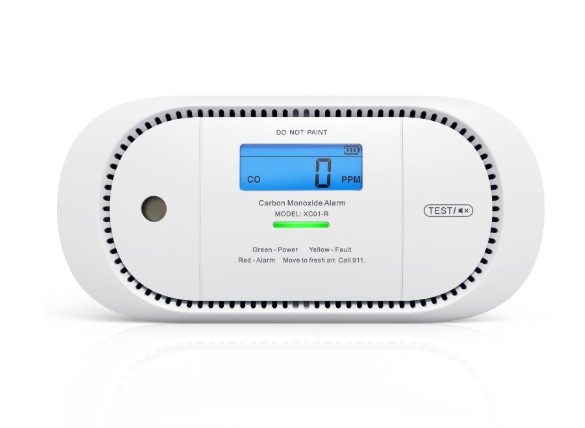
Portable detectors have become especially popular for travel and flexible home use. Families use them in RVs, cabins, hotel rooms, and temporary living spaces. The growing interest in portable safety products explains why devices like the X-SENSE XC01-R portable CO detector continue attracting attention online. People want simple tools that can move with them when needed.
Why Many Homeowners Choose Portable CO Detection
Portable detectors offer flexibility that fixed alarms cannot always provide. Homeowners can move them between rooms, take them during travel, or place them near temporary heating equipment. This added convenience helps people stay protected in more situations throughout the year. Small compact designs also make them easy to store and carry.
The X-SENSE XC01-R portable CO detector is one example of a compact monitoring solution designed for practical daily use. Its portable size fits well in apartments, vacation homes, and travel setups. Many users also prefer portable detectors for backup protection during power outages or home renovations. Having more than one layer of detection often improves overall household safety.
Simple Maintenance Tips That Help Detectors Work Better
A detector should never be installed and forgotten. Regular testing helps confirm the alarm works properly when needed. Most manufacturers recommend pressing the test button at least once every month. Batteries should also be checked routinely to avoid unexpected failures.
Dust buildup may affect sensor performance over time. Gently cleaning the outer vents with a soft cloth can help maintain airflow. Homeowners should also replace alarms according to manufacturer recommendations because sensors weaken as devices age. Routine maintenance plays an important role in supporting long term protection.
Common Mistakes That Reduce Carbon Monoxide Protection
One common mistake is placing detectors too close to cooking appliances. This may trigger unnecessary alerts and cause homeowners to ignore warnings later. Another issue involves installing alarms only in one part of the home. Carbon monoxide can travel through different rooms quickly, especially in enclosed spaces.
People also forget to check heating systems regularly. Annual appliance inspections can help identify leaks or ventilation problems before they become serious. Using generators indoors or near windows is another dangerous mistake mentioned across top safety guides. Even temporary exposure can create harmful indoor conditions.
Top Home Safety Habits That Lower CO Risks
Safe daily habits play an important role in reducing exposure risks. Never leave a vehicle running inside an attached garage, even for a short time. Fuel burning heaters should always be used in well ventilated spaces. Chimneys and vents should also remain clear throughout the year.
Families should create a simple emergency plan in case an alarm sounds. Everyone in the household needs to know how to leave quickly and where to gather outside. Keeping emergency contact numbers nearby may also help during stressful situations. Combining safe habits with a reliable carbon monoxide alarm creates stronger overall protection.
Important Features to Consider When Choosing a CO Detector
Modern buyers often compare battery life, portability, sensor quality, and ease of installation before choosing a detector. Compact designs remain popular because they fit smaller living spaces and travel situations. Many homeowners prefer alarms that offer simple operation without complicated setup steps.
Some homeowners prefer fixed wall mounted alarms while others look for flexible portable solutions. The X-SENSE XC01-R portable CO detector appeals to users wanting lightweight monitoring they can carry easily. Understanding your home layout and daily routines helps determine which type works best for your needs.
Building a Safer Home With Better Awareness
Carbon monoxide safety starts with awareness and preparation. Many people underestimate the risk because the gas has no smell or visible warning signs. But simple actions such as installing alarms, checking appliances, and following maintenance routines can help reduce danger significantly. Prevention often begins with small changes made consistently over time.
Homeowners today have more safety options than ever before. From fixed alarms to portable devices, modern technology makes monitoring easier and more accessible. Choosing a dependable carbon monoxide alarm and understanding proper usage helps families create a safer indoor environment throughout the year.
FAQs
What does a carbon monoxide alarm do?
A carbon monoxide alarm detects harmful CO gas levels and alerts people before exposure becomes dangerous.
Where should a CO detector be installed?
It should be placed near bedrooms, hallways, and fuel burning appliances for better coverage.
How often should carbon monoxide alarms be tested?
Most safety experts recommend testing alarms once every month.
Is a portable CO detector useful for travel?
Yes, portable detectors help monitor safety in hotels, RVs, cabins, and temporary living spaces.
Why is the X-SENSE XC01-R portable CO detector popular?
Many users like its compact size, portability, and flexible placement options for home and travel use.