

Choosing the right solar battery affects how much of your solar power you actually use, how well your home handles outages, and how much value you get from your energy system over time. A battery that is too small may leave you short during the evening, while one with the wrong features can limit savings and flexibility. The best choice matches your electricity habits, your solar setup, and your future plans. Instead of focusing only on price, it is smarter to evaluate usable capacity, efficiency, safety, installation needs, and compatibility so your battery supports reliable, practical, and cost-effective energy storage at home.
Key Factors That Influence Your Solar Battery Decision
The most important buying factors are battery capacity, power output, round-trip efficiency, lifespan, warranty, and compatibility with your inverter or solar equipment. You should also consider whether you want backup power, time-of-use savings, app controls, or room to expand later. Your household size and daily routine matter just as much as technical specifications. For example, homes with evening-heavy consumption need a different setup from homes that use most electricity during daylight hours. Installation space, ventilation, and local electrical requirements also shape the right choice. When these factors are evaluated together, it becomes much easier to identify a solar battery that fits real household needs.
How to Evaluate Solar Battery Capacity and Energy Needs
Calculate Your Daily Electricity Consumption Before Buying
Before buying a solar battery, determine how many kilowatt-hours your home uses in a normal day. Review recent electricity bills and divide monthly usage by the number of days in the billing period for a quick average. Then go deeper by checking what portion of that consumption happens after sunset, because that is often what the battery will need to cover. If available, use smart meter or monitoring data to spot peak hours and heavy appliances. Refrigerators, pumps, heating and cooling systems, and cooking equipment can significantly change battery needs. A simple load list helps clarify priorities. Once you know your daily and nighttime consumption, you can choose storage based on actual energy behavior instead of guesswork.
Choose the Right Battery Capacity for Your Lifestyle
The right battery capacity should reflect how your household lives, not just how large the home is. If you are away during the day and use most electricity in the evening, a larger battery may deliver better savings because it can shift more solar energy into night use. If your daytime consumption is already high, a smaller battery may still work well. Families running multiple appliances at once should also check power output, not just stored energy. A battery with enough capacity but limited discharge power may not support your expected loads smoothly. Think in practical terms: do you want to cover only essentials overnight, or a broader portion of household demand? Answering that question helps define a realistic and efficient battery size.
Consider Future Energy Usage and Expansion Options
Choose a battery system that can grow with your household. Energy demand often increases after adding an EV charger, electric heating, cooling upgrades, or new appliances. If expansion is likely, look for modular storage or flexible solar input support. Planning ahead reduces the chance of replacing a system too soon. It also helps protect your investment by keeping your energy setup useful as household needs change over time.
Important Features to Check Before Buying a Solar Battery
Battery Efficiency, Lifespan, and Charging Performance
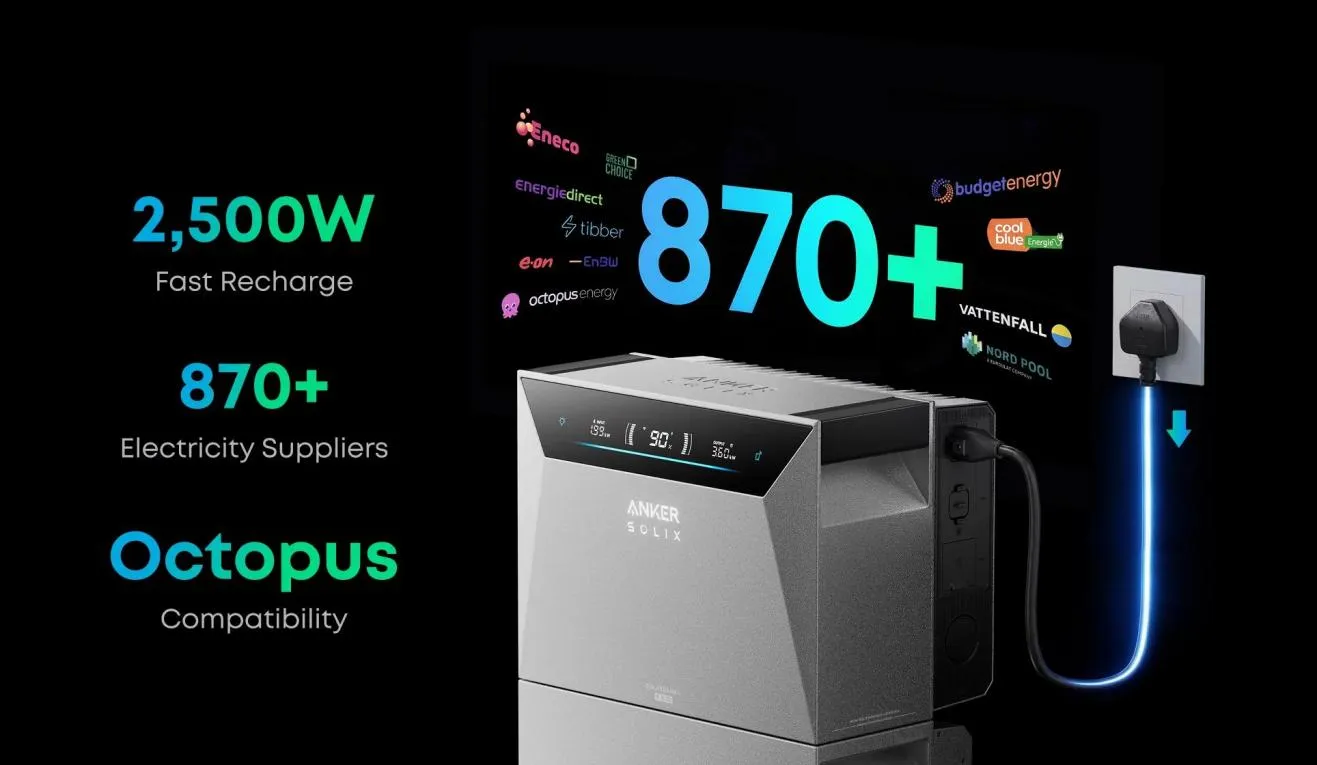
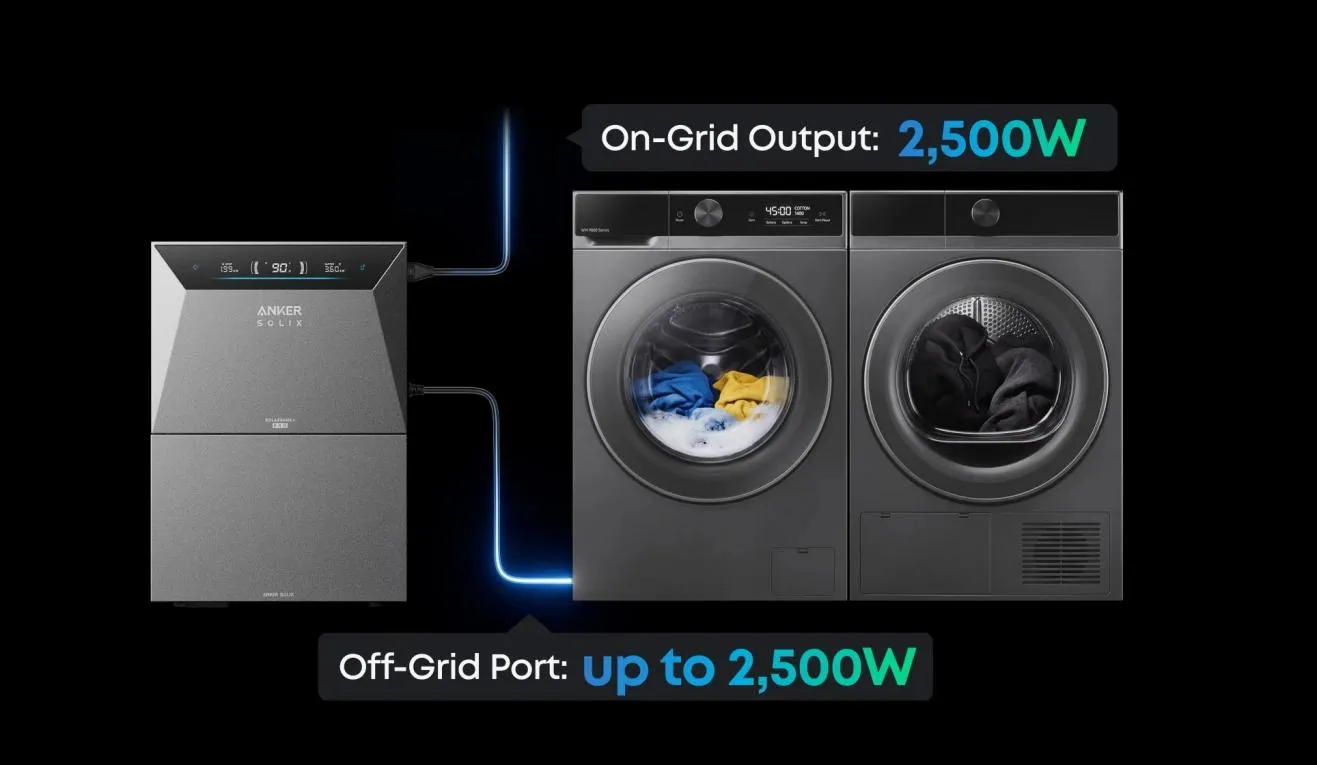
Efficiency affects how much of the stored solar energy you can actually use, so it should be one of your first checks. A battery with strong round-trip efficiency wastes less electricity during charge and discharge cycles, improving long-term value. Lifespan matters just as much. Look for a solid cycle rating and warranty terms that reflect expected daily use, not occasional backup only. Charging performance also influences savings, especially under time-of-use tariffs. The Anker SOLIX Solarbank 4 E5000 Pro is built for flexible household use with a 5kWh battery, 2,500W on-grid output, and a built-in 2,500W off-grid port for heavier appliances. It also supports 2,500W fast recharge, allowing the battery to fully charge in under 2 hours during off-peak periods, which helps shift lower-cost electricity into expensive peak hours.
Smart Energy Management and App Monitoring Features
Smart controls can make a solar battery far more useful than a basic storage unit. App monitoring lets you track generation, battery level, household demand, and charging behavior in real time, making it easier to understand whether the system is performing as expected. Automated energy management is especially valuable for homes on variable electricity tariffs, because the battery can charge when rates are low and discharge when rates are high. That reduces manual effort and can improve bill savings. Good software also helps with usage history, system alerts, and optimization over time. When comparing options, look for a platform that presents clear data and practical controls rather than overly complex dashboards that are harder to use in everyday home energy management.
Safety Protection and Reliable Battery Technology
Safety should never be treated as a secondary feature. A solar battery needs stable battery chemistry, strong thermal management, electrical protection, and reliable system controls to operate safely over many years. Look for products designed with quality components and installation guidance that supports correct cable and connector use. For example, Anker SOLIX recommends official cables and accessories for optimal safety and charging performance. That kind of detail matters because reliable connections help protect both performance and long-term system stability.
Solar Battery Installation and Compatibility Considerations
Check Compatibility With Your Existing Solar Setup
Before buying a battery, confirm that it works with your current solar configuration. Check inverter compatibility, panel input requirements, and whether the battery supports the number of panels you already have or plan to add. If your goal includes backup power, verify that the system supports off-grid output in addition to normal grid-connected use. You should also review how the battery handles solar production across different roof orientations or partial shading conditions. A system with multiple MPPTs can offer more flexibility in these situations. Matching battery specifications to your existing hardware helps avoid installation delays, extra equipment purchases, and performance bottlenecks. Proper compatibility also ensures the system can charge efficiently, discharge reliably, and support the energy strategy you want for your home.
Understand Installation Space, Connectivity, and Maintenance Needs
Installation planning should cover more than where the battery will sit. Make sure the location has adequate clearance, safe environmental conditions, and practical access for electricians. Consider cable length, routing, and how the battery connects to your solar equipment, home circuits, and internet or app controls. If the system requires accessories, use approved components to maintain performance and safety. Maintenance is often minimal with modern batteries, but it is still important to understand monitoring needs, firmware updates, and any recommended inspection schedule. A well-planned installation supports better airflow, safer operation, and cleaner cable management. It also reduces the likelihood of service issues later and helps the battery perform consistently under normal household demand and seasonal changes.
Anker SOLIX Solar Battery Solutions for Flexible Home Storage
For homeowners who want a flexible storage option, the Anker SOLIX Solarbank 4 E5000 Pro is designed to adapt to changing energy needs. Its 4 MPPTs support 4 to 12 panels, and the system can generate up to 5,586kWh annually. That makes it suitable for covering daily household use while also supporting higher-demand goals such as EV charging. This flexibility is useful for homes planning future energy expansion.
Practical Tips for Choosing a Solar Battery That Fits Your Budget
Balance Upfront Costs With Long-Term Energy Savings
The lowest purchase price does not always produce the best long-term result. A better battery may save more over time through stronger efficiency, smarter charging controls, and a longer useful lifespan. If your utility uses time-of-use pricing, faster charging and automated discharge can improve savings significantly. Compare expected bill reduction, warranty support, and replacement timeline along with upfront installation costs. That gives you a clearer picture of actual value.
Compare Features Based on Your Actual Energy Goals
Choose features that support what you really want the battery to do. If backup power matters most, prioritize reliable off-grid output and essential load support. If bill savings are the main goal, focus on efficiency, app controls, and tariff-based automation. Households planning to add panels or increase energy use should also value expansion flexibility. Comparing products through the lens of your actual goals leads to a more confident and cost-effective decision.
Conclusion
Choosing the right solar battery starts with understanding your daily electricity use, then matching that demand to the right capacity, power output, and features. Efficiency, lifespan, safety, compatibility, and installation conditions all shape long-term performance. Smart monitoring and tariff-based charging can further improve savings when used well. If you expect your energy needs to grow, flexible expansion support is worth prioritizing from the beginning. A product such as the Anker SOLIX Solarbank 4 E5000 Pro shows how modern storage can combine household support, fast charging, and scalable solar input. Focus on real energy goals, and you will find a battery that delivers lasting value.