

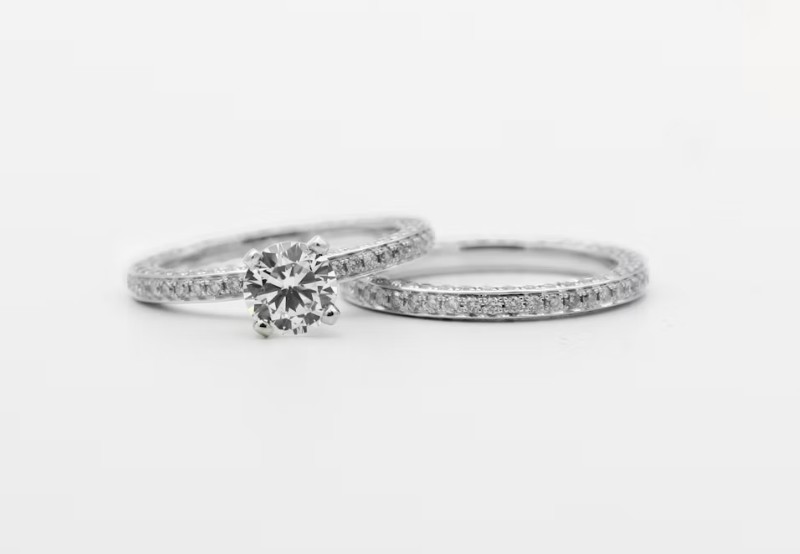
Ask five people what the perfect diamond size is and you’ll probably get five different answers. That’s because carat weight only tells part of the story.
Finger size, diamond shape, setting and budget all affect how a solitaire looks once it’s actually being worn. Lab grown diamonds give buyers room to consider larger carat weights, but bigger isn’t automatically the right choice. The goal is finding a size that looks and feels right on the hand.
Start With the Look You Actually Want
When choosing a lab grown diamond solitaire ring, it’s useful to forget the numbers for a moment. Picture the finished ring instead. Do you want something delicate that works easily with everyday clothes? Or do you like a diamond that takes up a larger portion of the finger?
Best Brilliance offers different carat weights to consider, and trying to narrow your preference before comparing them can make the process far easier. Someone who loves understated jewelry may be perfectly happy around one carat. Another person may immediately prefer the presence of a two-carat stone.
What Does Carat Size Actually Mean?
Carat refers to a diamond’s weight. One carat equals 200 milligrams. That doesn’t mean every diamond with the same carat weight will look identical. Shape and proportions affect the amount of surface area visible when you look at the stone from above.
An elongated shape, for example, can cover the finger differently from a round stone of comparable weight. Two rings listed at the same carat weight can therefore make different impressions on the hand. This is why buying according to a number alone isn’t particularly helpful.
How Popular Carat Sizes Compare
There’s no single carat weight that suits everyone, but it helps to have a rough idea of how common ranges may feel in a solitaire setting.
| Carat Weight | General Appearance | Worth Considering For |
| 0.50 to 0.90 ct | Delicate and compact | An easy everyday ring with a smaller center stone |
| 1.00 to 1.49 ct | Noticeable without taking over the hand | A classic solitaire look |
| 1.50 to 1.99 ct | Greater finger coverage | A stronger center-stone presence |
| 2.00 to 2.99 ct | Large and immediately noticeable | A substantial solitaire |
| 3.00 ct and above | Very substantial | Size to be a major part of the ring’s appearance |
These descriptions aren’t rules. Finger proportions and diamond shape can make the same weight look quite different from one person to another.
Your Finger Changes the Picture
A diamond isn’t viewed on its own once it’s set in a ring. Put the same stone on two different hands and you may get two very different impressions. Finger width and length affect how much space surrounds the diamond, while the width of the band plays a part too.
This is one reason photos can only take you so far. If you’re deciding between two carat weights, seeing similar sizes on a hand can be useful. You may discover that the smaller option already gives you exactly the coverage you wanted.
Shape Matters Alongside Carat Weight
Carat weight becomes much easier to understand once you consider diamond shape, some shapes have elongated outlines, while others are more compact, the proportions of the individual stone also influence its face-up dimensions.
So if your goal is a certain visual presence, don’t stop at the carat number. Check the diamond’s measurements and consider how its shape sits on the finger.
A well-chosen shape can also complement the wearer’s hand and personal style. That’s a far better reason for choosing it than simply following whatever happens to be popular at the moment.
Think About Daily Life
It’s easy to become focused on appearance while shopping, but you’re going to live with the ring. A larger diamond may sit higher depending on the setting. That can matter if you work with your hands, wear gloves regularly or simply don’t like jewelry that catches against clothing.
Some people are perfectly comfortable wearing a substantial solitaire every day. Others prefer something smaller because they barely notice it’s there. Think about where you’ll wear the ring, what you do during a normal week and how comfortable you are with prominent jewelry.
Budget Still Deserves a Say
Lab grown diamonds can make carat weights accessible at different price points, but size shouldn’t consume the entire decision. Cut quality, color, clarity, setting and personal preference still deserve attention. Spending everything available simply to reach a particular carat number can leave less flexibility elsewhere.
Set a budget before browsing and decide which features matter most to you. If you’re comparing several possibilities, Best Brilliance can be a useful place to look at different sizes and decide where your own comfort point sits. There’s no prize for crossing an arbitrary carat threshold.
Final Thoughts
So, what’s the best carat size for a lab grown diamond solitaire? For many buyers, the answer only becomes obvious once they stop treating carat weight as a target. One person may love the proportions of a one-carat stone. Someone else won’t feel finished until they’ve tried two or three carats.
Look at the diamond on the hand, consider its shape and think about daily comfort. Then compare those preferences with your budget. Best Brilliance can help you explore the available options, but the final choice should come down to the ring you can picture yourself happily wearing years from now.