

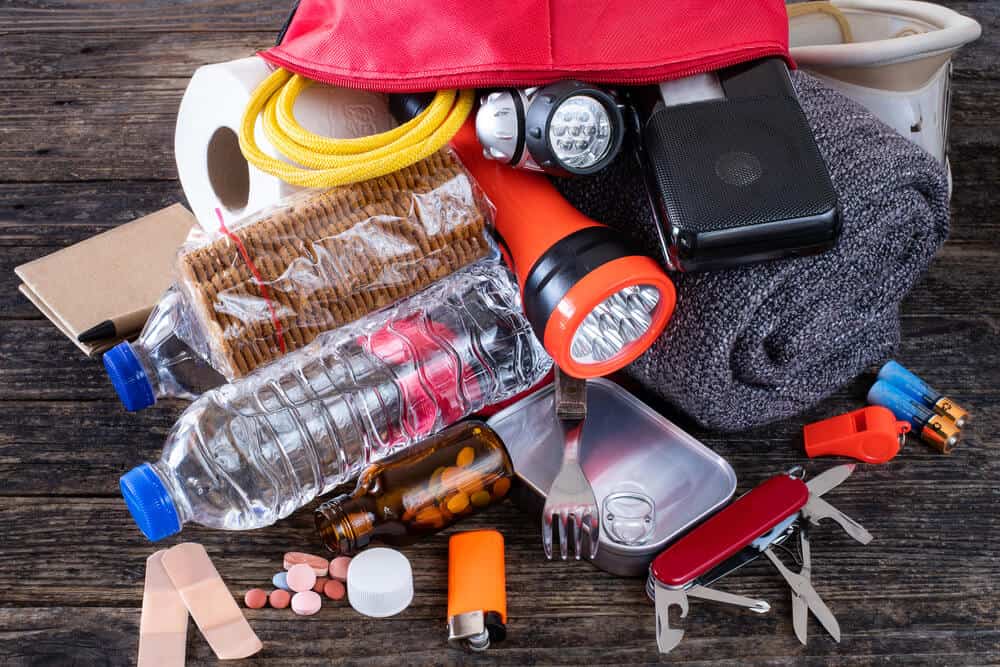
Most people remember the obvious emergency supplies: water, food, a flashlight, and a first-aid kit. The trouble is that emergencies rarely follow a convenient checklist. A delayed trip, unexpected weather change, vehicle problem, or overnight stay can expose the small gaps in a kit that looked complete at home.
The overlooked items are often inexpensive, compact, and surprisingly useful. Before your next outdoor trip, take a second look at these commonly forgotten essentials.
Extra Lighting
One flashlight is better than none, but relying on a single light creates an avoidable weak point.
Pack a second compact light or headlamp and keep spare batteries protected from moisture. A headlamp has the added advantage of leaving both hands available for ordinary tasks around camp or while walking.
Test every light before leaving. An emergency is a poor time to discover that the batteries were removed months ago and never replaced.
Backup Power
A smartphone can provide directions, communication, weather information, and emergency contacts, but its usefulness drops sharply when the battery reaches zero.
A charged power bank and the correct charging cable take up little room. For longer trips, consider how you will recharge equipment if your plans change.
It is also worth downloading maps or important information before leaving an area where reception may be unreliable. Digital convenience works best when there is a backup plan.
Cash and Copies of Important Information
Cards and mobile payment systems are convenient, but remote locations do not always cooperate.
A small amount of emergency cash can be useful if a business has connectivity problems or electronic payment is unavailable. Keep it separate from your everyday wallet.
Copies of identification, insurance information, emergency contacts, or relevant reservations can also help if your phone becomes inaccessible. Store sensitive information securely rather than leaving it exposed.
Basic Repair Supplies
People often pack equipment for the activity but forget something to fix that equipment. A small roll of strong tape, cord, zip ties, a compact multitool, and a few basic fasteners can handle surprisingly ordinary problems. The exact contents should depend on the trip. A bicycle outing, fishing trip, camping weekend, and remote hike each create different repair needs.
The goal is not to carry a workshop. It is to have a few simple options when something breaks.
Personal Medications and Small Comforts
A standard first-aid kit may contain useful general supplies while missing the things an individual actually needs. Pack prescription medications and any personal medical items you may require. Consider glasses, contact-lens supplies, allergy medication, or other routine necessities that could become difficult to replace away from home.
Small comfort items can matter too. Extra socks, lip balm, sunscreen, insect protection, and hand sanitizer are easy to overlook because they seem ordinary. They become much more noticeable when you are tired, uncomfortable, or several hours from the nearest store.
Weather Protection
People tend to prepare for the forecast rather than the possibility that the forecast will be wrong. A compact rain shell, emergency blanket, gloves, or warm layer can provide useful backup without consuming much space. For water-based activities, protecting electronics and important documents from moisture deserves additional attention.
Think about what would happen if you had to spend several unexpected hours outside. That question often reveals gaps that a normal packing list misses.
Equipment-Specific Supplies
Some emergency supplies depend entirely on what you are carrying or doing.
For lawful firearm owners, that may include appropriate storage and transportation equipment along with compatible ammunition. Someone researching rifle ammo should consider whether a particular load is appropriate for the specific firearm and intended lawful use, and should verify reliable function and safe handling rather than assuming compatibility. Ammunition should be stored securely and transported according to applicable laws and manufacturer guidance.
The same principle applies to other equipment: bring what supports the actual activity rather than collecting gadgets simply because they fit inside the pack.
A Final Five-Minute Check
Before leaving, open the emergency kit and inspect it rather than simply assuming everything is still there.
Check expiration dates, batteries, medication supplies, weather gear, power banks, and anything that may have been borrowed on the previous trip. Replace damaged or depleted items.
Then ask one final question: What small problem would be especially difficult to solve if I could not reach a store for a day? That answer may reveal the item you have been forgetting.
A practical emergency kit does not need to be enormous. It needs to cover the realistic inconveniences that can become serious when help, supplies, or communication are suddenly less accessible. The little things are often the ones that make the biggest difference.