

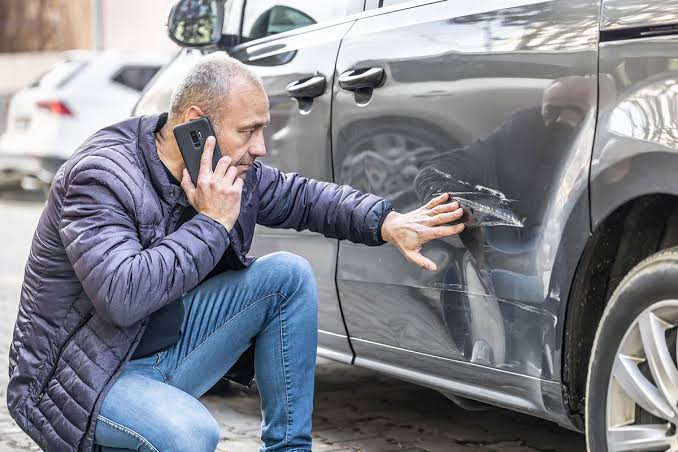
A car accident can turn a normal drive into weeks or months of doctor visits, repair shop calls, and missed work. Even a crash that seems minor can leave you with sore muscles, a damaged vehicle, and many questions about who will pay for it all. What you do in the first few days can shape both your recovery and the strength of any claim you decide to pursue later.
If another driver caused the crash, talking with an Ohio car accident lawyer can help you understand your rights before you make decisions you cannot undo. Knowing how fault, insurance, and deadlines work in Ohio gives you a better chance of protecting yourself while you focus on getting better.
Get to Safety and Call the Police
Your first job after a crash is to get out of harm’s way. If you can move safely, turn on your hazard lights and pull your car out of traffic. Then call 911, even if the damage looks small, so police and medical help can respond.
A police report creates an official record of the crash. It usually includes the date, time, location, the drivers involved, insurance details, and sometimes the officer’s notes about what happened. Insurance companies often rely on this report, so it helps to have one on file from the start.
See a Doctor Even If You Feel Fine
Many people feel okay right after a crash because adrenaline masks pain. Injuries like whiplash, concussions, and back strains often show up hours or even days later. Getting checked by a doctor soon after the accident protects your health and creates a medical record that links your injuries to the crash.
Follow your treatment plan and go to every follow-up visit. Gaps in treatment can give an insurance company a reason to argue that your injuries are not serious or were caused by something else. Keep copies of bills, prescriptions, and visit summaries in one folder.
Car Crashes on Ohio Roads
Ohio has a busy highway system, with I-70, I-71, I-75, and I-90 linking cities like Columbus, Cleveland, Cincinnati, Toledo, and Akron. Commuters, delivery trucks, and travelers share these roads every day, and winter snow and ice make driving harder for several months each year. According to the Ohio Governor’s Office report on 2025 traffic fatalities, deaths on Ohio roads fell about 3% in 2025 compared with 2024, continuing a decline that started in 2022.
Even with that progress, the risk is still high. About 23% of fatal crashes in 2025 involved a vehicle leaving the roadway, and failure to yield, unsafe speed, driving left of center, following too closely, and running stop signs were the next most common causes. Many more people are hurt in crashes that are not fatal, which is why every driver in the state should know what to do after a collision.
Collect and Save Evidence
Evidence fades fast after a crash. Cars get towed and repaired, skid marks wash away, and witnesses forget details. If you are able, take photos of both vehicles, the road, traffic signs, weather conditions, and any visible injuries.
Also write down the names and phone numbers of witnesses, and get the other driver’s insurance information. Save any texts, emails, or letters you receive about the accident. A simple journal about your pain, sleep, and missed work can also help show how the crash changed your daily life.
How Fault Works Under Ohio Law
Ohio is an at-fault state, which means the driver who caused the crash is responsible for the damages. Ohio also follows a modified comparative fault rule. If you are partly to blame, your compensation can be reduced by your share of the fault.
There is a limit, though. If you are found to be more than 50% at fault, you generally cannot recover damages from the other driver. This is one reason insurance adjusters sometimes try to shift blame onto the injured person, and it is why good evidence matters so much.
Be Careful With Insurance Companies
An adjuster may call you within a day or two of the crash. They might sound friendly, but their job is to protect the insurance company’s money. Be polite, give basic facts, and avoid guessing about fault or saying you feel fine.
You also do not have to give a recorded statement to the other driver’s insurer right away. Early settlement offers often come before you know the full cost of your injuries. Once you sign a release or cash a settlement check, you usually cannot ask for more money later, even if your medical needs grow.
Watch the Two-Year Deadline
Ohio generally gives injured people two years from the date of the crash to file a personal injury lawsuit. That may sound like plenty of time, but building a strong claim takes work. Medical records need to be gathered, fault needs to be proven, and the full value of your losses needs to be figured out.
Some situations have different rules, such as cases involving a minor, and claims against a government agency can come with extra steps. If you miss the deadline, you can lose your right to seek compensation completely. Starting early keeps your options open.
Frequently Asked Questions
Do I need to call the police after a minor car accident in Ohio?
It is a smart choice in almost every case. A police report gives you an official record of the crash, which can help if the other driver later changes their story or denies fault.
What if the driver who hit me has no insurance?
You may be able to file a claim under your own uninsured motorist coverage if you have it. Check your policy and report the crash to your insurer as soon as you can.
Can I still recover money if I was partly at fault?
Yes, as long as you were not more than 50% at fault. Your compensation would be reduced by your percentage of fault.
What kinds of damages can I recover after a car accident?
Depending on your case, you may be able to recover medical expenses, lost wages, reduced earning ability, vehicle damage, and pain and suffering. In rare cases involving extreme conduct, such as drunk driving, punitive damages may also be possible.
Should I accept the first settlement offer?
Not before you understand your total losses. First offers are often low, and accepting one usually ends your claim for good.
Moving Forward After a Car Accident
Recovering from a car accident takes time, patience, and good records. Getting medical care, saving evidence, and being careful with insurance companies are the basics that protect you in the early days. Knowing Ohio’s fault rules and two-year deadline helps you avoid mistakes that could cost you later.
The right next step depends on how badly you were hurt, what the evidence shows, and which insurance policies apply. Getting answers to those questions early lets you focus on healing without putting your claim at risk.