

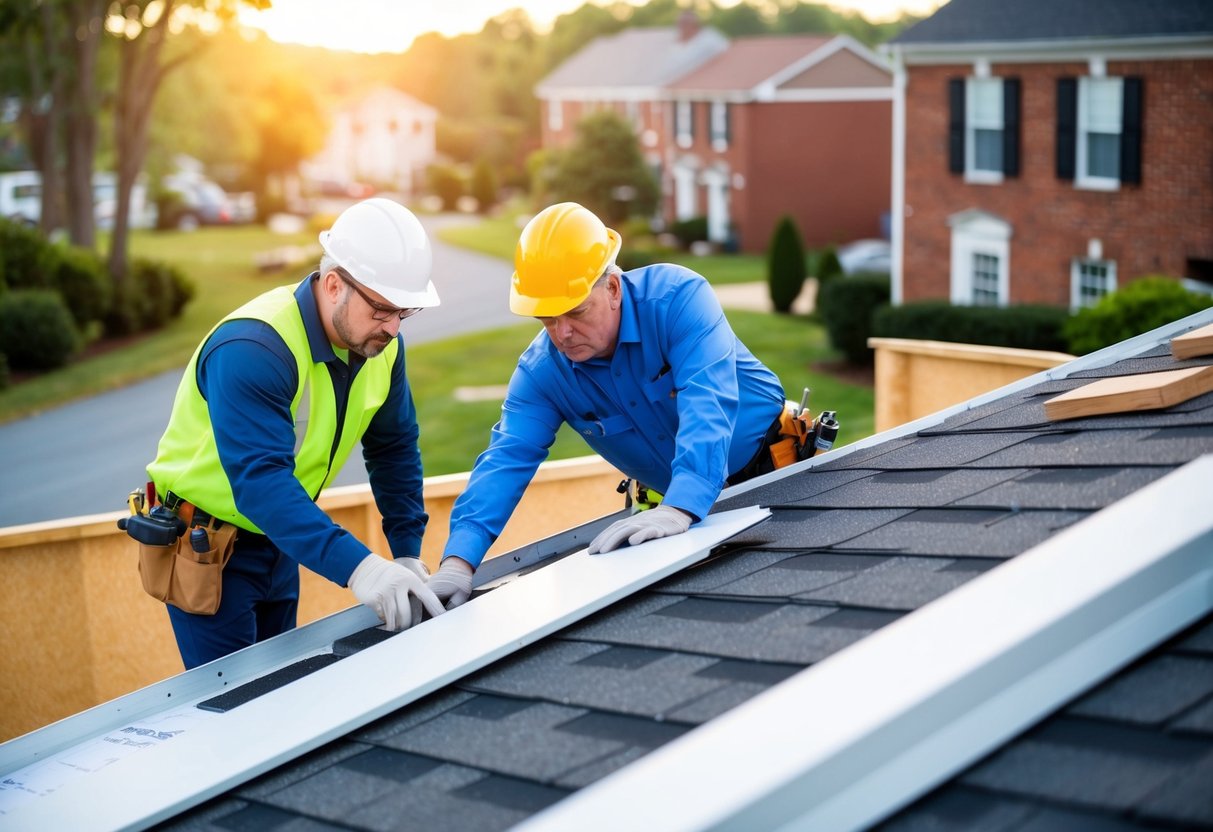
A roof is one of the biggest repairs or investments a homeowner makes, and it is also one of the easiest to get wrong. The work happens out of sight, the materials are unfamiliar, and a bad job may not show itself until the first heavy storm. Maryland weather makes it worse, with hot humid summers, freezing winters, nor’easters and the occasional tropical storm. Choosing the right contractor matters as much as choosing the right shingles.
Here is a practical checklist you can use before you sign anything.
Check License and Insurance
In Maryland, contractors who do residential work generally need to be licensed, and that license should be current. Ask for the license number and confirm it with the state yourself instead of taking a verbal assurance. A legitimate business will not mind.
Insurance matters just as much. Ask for proof of general liability coverage and workers’ compensation, and ask that the certificates be sent directly from the insurer or agent. If an uninsured worker falls off your roof, or a crew damages your home, you could be pulled into the problem. A short phone call to verify coverage costs nothing.
Get Detailed Written Estimates
Plan on collecting at least three written estimates. Verbal quotes and numbers scribbled on a business card are not enough. A solid estimate should spell out the scope of work, the brand and type of materials, how old roofing will be removed and disposed of, what happens if rotted decking is found, and the total price with a payment schedule.
Pay attention to how detailed the paperwork is. Vague wording such as “replace roof” leaves room for surprises later. Detailed line items show that the contractor has actually inspected your roof and thought about the job. If one bid is far lower than the others, ask why. Cheap bids often leave out underlayment, flashing, ventilation or proper cleanup.
Ask About Materials, Warranties and Timelines
Not all shingles, underlayment or flashing are equal, and not every installer is trained to install them correctly. Ask which products the contractor plans to use and why they suit your home. Some manufacturers certify contractors who meet standards for training, licensing and insurance, and those certifications can open the door to stronger manufacturer warranties. Ask whether the contractor holds any, then confirm it.
Also ask about ventilation and drainage. A new roof on a poorly vented attic will wear out faster, and gutters, soffits and fascia are part of the same system. A good contractor will look at the whole picture instead of only the shingles.
There are usually two warranties in play. The manufacturer warranty covers the materials, and the workmanship warranty covers the installation. Many roof problems come from installation errors, so the workmanship coverage deserves close attention. Ask how long it lasts, what it covers, and whether it transfers if you sell your house. Get it in writing, and read the exclusions.
A warranty is only as good as the company standing behind it. A business that has been part of the local community for years is easier to find if something needs attention down the road.
Ask when work can start, how many days the job should take, and what the plan is if rain rolls in. A careful crew tarps and protects the open roof every evening and does not leave your home exposed overnight. Reasonable contractors will give you a realistic window and explain that weather can shift it. Be wary of anyone who promises to start tomorrow, or who cannot give you any schedule at all.
Check Local References
A contractor with a real local track record can point you to nearby homes. Ask for recent references, and if possible drive by a finished roof to look at the lines, the flashing details and the cleanliness of the site. Read online reviews too, but look for patterns over time rather than a single glowing or angry post. It also helps to work with a roofing company in Mechanicsville or another nearby community, because a team that works in your area understands local building codes, weather patterns and permit requirements.
Know the Red Flags
Some warning signs show up again and again. Walk away if a contractor:
Pressures you to sign today because of a special price that will vanish by tomorrow.
Asks for a large payment up front, or full payment before the work is done.
Knocks on your door after a storm and claims to have noticed damage from the street.
Has no physical address, no license number, or no proof of insurance.
Refuses to put promises into a written contract.
Good contractors give you time. A sound roofing decision should hold up after a night of thinking and a few phone calls.
Once you have narrowed the field, compare the bids line by line, not only by price. Consider communication as well. Did the contractor return calls, show up on time, and answer questions plainly? Those habits tend to continue during the job.
One Vision Roofing, a family-owned contractor serving Southern Maryland, is the kind of local business many homeowners look for: licensed, insured, and focused on quality work without pressure. Whoever you hire, use the same checklist, and you will be in a much stronger position.
A roof should protect your home for decades. Taking a few extra days to verify credentials, read the fine print and talk to neighbors is a small price for that kind of peace of mind.