

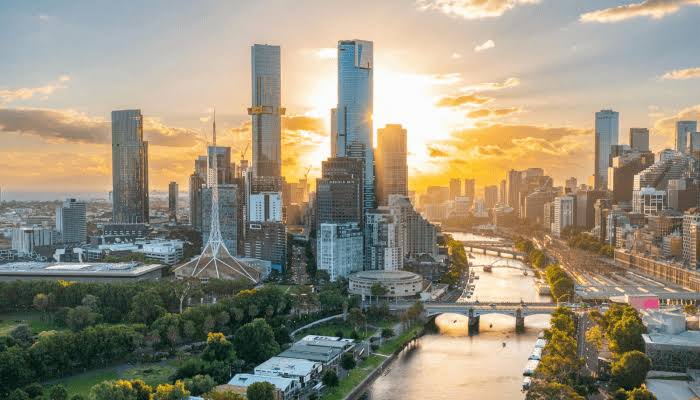
Outdoor events in Melbourne operate under a specific meteorological reality that event managers in other cities do not face to the same degree. Melbourne’s reputation for four seasons in one day is not an exaggeration, and the gap between the weather forecast three days before an event and the actual conditions on the day can be dramatic enough to fundamentally change the risk profile of an outdoor gathering. Planning for weather contingencies is not pessimism. It is the standard of care that separates event professionals from enthusiastic amateurs.
The contingency framework for a large outdoor event is built during the planning phase, not improvised on the morning the weather turns.
The Trigger Point System
Effective weather contingency planning operates on a trigger point system rather than a binary decision made at the last minute. A trigger point is a defined threshold, whether a forecast probability of rain above a certain percentage, a wind speed forecast above a set value, or a temperature projection outside a defined range, that activates a pre-agreed response without requiring a fresh decision under pressure on the day.
For an outdoor event with a covered alternative venue, the trigger point might be a Bureau of Meteorology forecast of greater than sixty percent probability of rain persisting for more than two hours during the event window, checked at a defined time the day before the event. When that trigger is met, the move to the alternative venue is activated automatically according to the pre-agreed protocol, without the deliberation that delays decision-making when organisers are reluctant to commit.
Establishing these trigger points in advance, documented in the event management plan and agreed with the client, removes the ambiguity that typically causes late and costly decisions. When conference organisers melbourne are involved in large-scale outdoor events, having a shared understanding of trigger points across all parties in the planning process ensures a coordinated response rather than conflicting perspectives on the day.
Infrastructure Solutions for Weather Variability
For events where an alternative indoor venue is not viable, infrastructure solutions that extend the operational range of an outdoor event are the practical alternative. Marquee and tensile structure hire provides substantial weather protection for catering and seating areas, though wind load ratings for these structures vary significantly and need to be matched to the potential wind conditions at the specific site.
The Australian standard for temporary structures specifies load requirements, and any marquee or tensile structure engaged for a public event should have documentation confirming compliance. Engaging suppliers who can provide this documentation is a straightforward pre-event check that protects organisers from liability if a structure fails during an event.
Flooring solutions that manage wet ground conditions, whether temporary decking, cable coverings, or temporary matting, prevent the saturated ground surface issues that turn an outdoor event into a mud management exercise when rain arrives unexpectedly.
Communication Protocols for Attendees
A weather contingency plan that is not communicated to attendees in advance creates a logistics problem when it is activated. Attendees who are not expecting a venue change, a covered configuration, or modified event programming due to weather will arrive at the original location confused and potentially dispersed across multiple access points.
Building weather contingency communication into the attendee pre-event communication sequence, at a minimum alerting attendees that a contingency plan exists and how they will be notified if it is activated, allows the communication to function smoothly when it is needed. For event management melbourne at scale, this typically involves email communication, SMS alerts for registered attendees, and social media updates through the event’s official channels.
The Financial Dimension
Weather-related event contingency has a financial dimension that should be addressed explicitly in the event budget and in the contracts with the venue, suppliers, and the client. Event cancellation insurance, which covers specified costs in the event that weather conditions force cancellation or significant modification of the event, is available and should be considered for any outdoor event where the cost of cancellation is material.
The terms of the policy need to be reviewed carefully, as the weather conditions that trigger coverage under event insurance policies vary, and some policies require conditions significantly more severe than simply rain before a claim is valid. Understanding exactly what is and is not covered before the event is considerably more useful than discovering the limitations of the policy after a cancellation.