

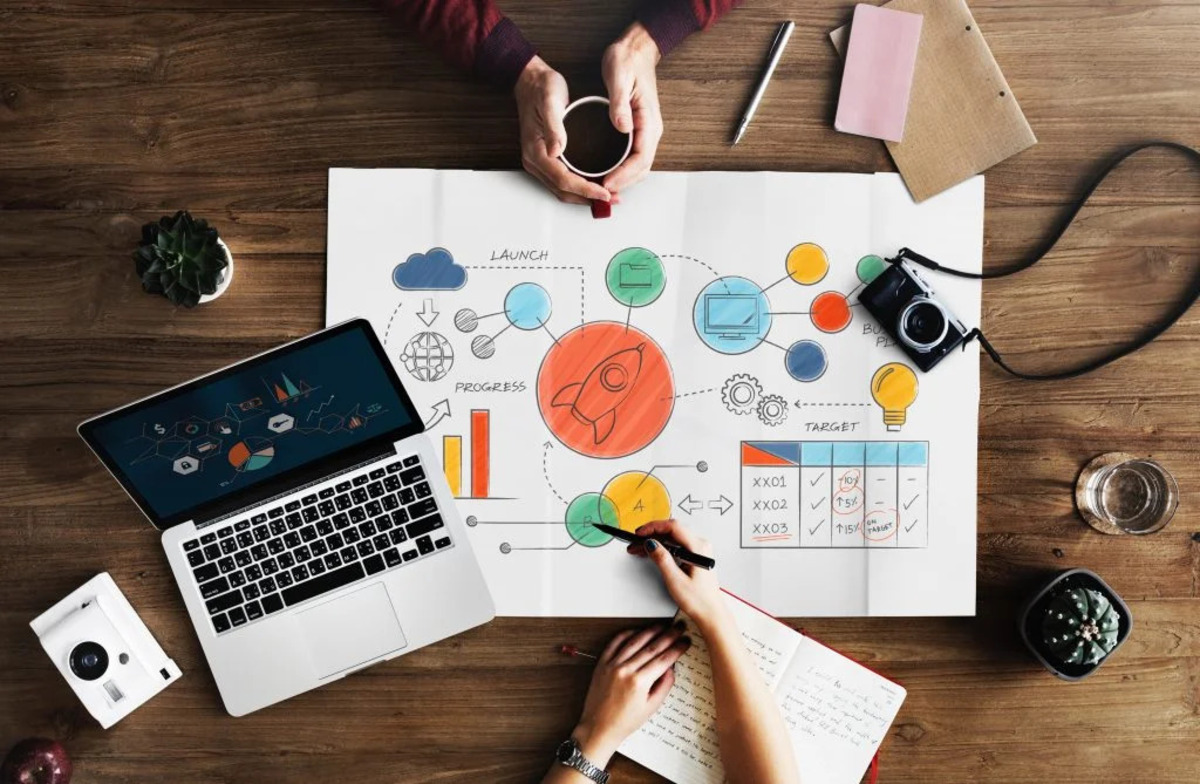
Planning a successful event takes much more than choosing a venue and sending invitations. Every great event is the result of careful planning, strong communication, and flawless execution. Whether you’re organizing a leadership conference, a product launch, an employee meeting, or a client appreciation event, every detail matters. If you’ve ever wondered what is event production, understanding the complete planning process is a great place to start. Professional event production transforms ideas into organized, engaging experiences that leave lasting impressions.
Every Successful Event Starts With Clear Goals
Before booking a venue or contacting vendors, define the purpose of the event.
Ask questions like:
- What is the primary objective?
- Who is the audience?
- What should attendees remember?
- What action should guests take afterward?
A clear objective influences every decision that follows.
Without one, planning becomes much more difficult.
Understand Your Audience
Every audience has different expectations.
An executive leadership summit requires a different experience than an employee training seminar.
Consider factors such as:
- Job roles
- Industry
- Experience level
- Age range
- Event size
- Technical knowledge
Knowing your audience helps shape the agenda, venue, technology, and overall experience.
Build a Realistic Budget
Budget planning should happen early.
A detailed budget helps avoid unexpected expenses later.
Common budget categories include:
- Venue rental
- Audiovisual equipment
- Stage design
- Catering
- Furniture
- Event staffing
- Entertainment
- Photography
- Video production
- Printing
- Transportation
Always reserve part of the budget for unexpected costs.
Even well-planned events encounter surprises.
Choose the Right Venue
The venue affects every aspect of the event.
Consider:
- Capacity
- Parking
- Accessibility
- Internet connectivity
- Ceiling height
- Loading access
- Lighting conditions
- Nearby accommodations
The venue should support the event’s goals rather than limit them.
Create a Detailed Timeline
Organization prevents last-minute stress.
Build a timeline that includes:
- Venue booking
- Vendor deadlines
- Speaker confirmations
- Equipment delivery
- Setup schedules
- Rehearsals
- Event start times
- Breakdown schedules
Detailed timelines help every team stay aligned.
Select Reliable Vendors
Most events involve multiple vendors.
These may include:
- Caterers
- AV providers
- Decor companies
- Furniture rentals
- Security teams
- Transportation services
Choose experienced partners with proven reliability.
Clear communication prevents misunderstandings.
Develop the Event Agenda
The agenda controls the flow of the day.
Avoid scheduling too many sessions back-to-back.
Include time for:
- Networking
- Breaks
- Meals
- Questions
- Room transitions
Balanced schedules keep attendees engaged.
Focus on the Guest Experience
Every interaction shapes the attendee’s impression.
Think through the entire journey.
Consider:
- Registration
- Parking
- Signage
- Seating
- Food service
- Restrooms
- Session transitions
Small improvements often create the biggest impact.
Registration Should Be Simple
Complicated check-in creates frustration.
Efficient registration includes:
- Clear confirmation emails
- Fast check-in stations
- Helpful staff
- Easy badge pickup
A smooth arrival creates a positive first impression.
Professional Signage Improves Navigation
Guests should never wonder where to go.
Use clear signs for:
- Registration
- Meeting rooms
- Restrooms
- Dining areas
- Breakout sessions
Simple navigation reduces confusion throughout the event.
Technology Supports Every Presentation
Modern events depend heavily on technology.
Common equipment includes:
- Microphones
- Speakers
- LED displays
- Projectors
- Presentation laptops
- Confidence monitors
Testing every system before attendees arrive reduces technical problems.
Lighting Creates Atmosphere
Lighting influences how guests experience the room.
Professional lighting helps:
- Highlight presenters
- Improve visibility
- Support video recording
- Reinforce branding
Good lighting also improves photography.
Audio Quality Matters More Than Most People Realize
Poor sound quickly distracts attendees.
Professional audio systems help deliver:
- Clear speech
- Even volume
- Reduced feedback
- Consistent coverage
Every attendee deserves the same listening experience.
Video Content Requires Planning
Videos should never be added at the last minute.
Test every file beforehand.
Verify:
- Resolution
- Audio levels
- Playback compatibility
- Timing
Preparation avoids delays during presentations.
Rehearsals Prevent Problems
Practice benefits everyone.
Presenters gain confidence.
Technicians verify equipment.
Event managers identify scheduling conflicts.
Even a short rehearsal improves overall execution.
Keep Speakers Well Prepared
Provide speakers with detailed information before the event.
Include:
- Presentation length
- Stage layout
- Microphone type
- Audience size
- Schedule
Well-prepared speakers deliver stronger presentations.
Build Time for Networking
Networking often provides the greatest value.
Allow attendees opportunities to connect.
Popular networking moments include:
- Coffee breaks
- Lunch
- Reception hours
- Panel discussions
Meaningful conversations strengthen relationships.
Prepare for Unexpected Challenges
Every event encounters surprises.
Common issues include:
- Weather changes
- Speaker delays
- Equipment failures
- Internet outages
- Schedule adjustments
Backup plans reduce disruption.
Preparation builds confidence.
On-Site Staff Keep Everything Moving
Event staff handle countless responsibilities.
They assist with:
- Registration
- Guest questions
- Seating
- Schedule management
- Vendor coordination
Helpful staff improve the attendee experience.
Communication Keeps Teams Organized
Every team should know:
- The event schedule
- Emergency contacts
- Vendor locations
- Setup timelines
- Responsibilities
Strong communication reduces confusion.
Branding Should Be Consistent
Corporate events reflect the organization.
Consistent branding includes:
- Logo placement
- Digital presentations
- Stage graphics
- Printed materials
- Welcome screens
Unified branding creates a professional appearance.
Food Service Requires Careful Timing
Meals should support the schedule.
Long food lines delay sessions.
Coordinate catering carefully.
Consider dietary restrictions.
Provide adequate seating during meal periods.
Measure Event Success
Evaluation continues after the event ends.
Useful metrics include:
- Attendance numbers
- Survey responses
- Session participation
- Networking activity
- Audience engagement
Feedback helps improve future events.
Record Valuable Content
Many presentations deserve a longer life.
Professional recordings can support:
- Employee training
- Marketing campaigns
- Internal communication
- Customer education
One event can continue delivering value for months.
Sustainability Is Becoming More Important
Many organizations now prioritize environmentally responsible events.
Simple improvements include:
- Digital agendas
- Refillable water stations
- Reduced paper waste
- Reusable signage
Small decisions can reduce environmental impact.
Hybrid Events Continue to Expand
Many businesses now include virtual attendees.
Hybrid events require additional planning.
Consider:
- Streaming quality
- Camera placement
- Audio mixing
- Remote interaction
Both in-person and virtual audiences deserve an excellent experience.
The Small Details Matter
Attendees notice thoughtful planning.
Examples include:
- Comfortable seating
- Charging stations
- Clear schedules
- Helpful volunteers
- Accessible layouts
Attention to detail improves satisfaction.
Strong Planning Builds Confidence
Every successful event reflects careful preparation.
Planning reduces stress.
Preparation prevents mistakes.
Organization improves communication.
The result is a smoother event for everyone involved.
Final Thoughts
Every memorable event begins with a clear objective and a well-organized plan. From budgeting and venue selection to technology, staffing, scheduling, and guest experience, every decision contributes to the overall success of the event. Strong planning allows organizers to solve problems before they happen and create an experience that feels seamless for attendees.
Whether you’re organizing a company meeting, industry conference, product launch, or executive summit, understanding what is event production helps explain why successful events require much more than logistics alone. Professional event production combines planning, technology, creativity, and execution to deliver events that communicate your message clearly, engage your audience, and leave a lasting positive impression.