

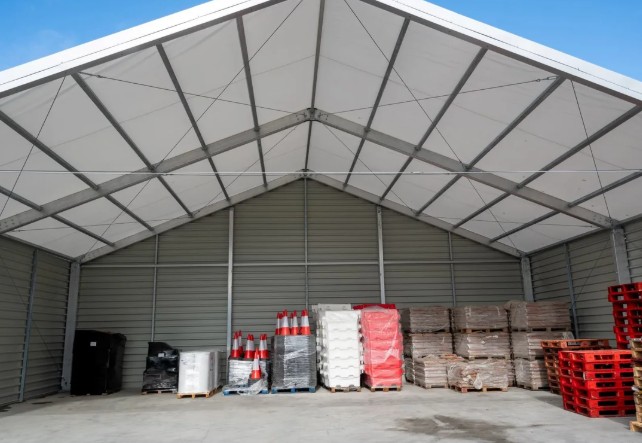
Bulk storage involves more than holding liquid until it is needed. It requires controlled routines, suitable equipment and clear accountability because stored liquids can affect site safety, product quality, compliance and operating costs. In industries such as agriculture, chemicals, mining, brewing and winemaking, operational discipline helps prevent small storage weaknesses from becoming expensive or hazardous problems.
Reducing Safety Risk
Operational discipline matters because bulk liquids are often heavy, reactive, valuable or difficult to clean up once released. Before a product is stored or transferred, teams need to understand its handling requirements, container limits and site risks. This is where working with experienced suppliers and service providers, including Tank Management Australia tank and liquid storage specialists, can help businesses make more informed decisions around container suitability, chemical compatibility, cleaning requirements and safe liquid handling.
Without that discipline, staff may rely on assumptions. A container that is safe for one liquid may not suit another. Certain chemicals can damage seals, react with residues or require specific venting and containment measures. Clear procedures reduce the risk of leaks, exposure, incorrect transfers and unsafe manual handling.
Protecting Product Integrity
Bulk storage needs discipline because the product inside the container still has to remain usable. Poor storage practices can lead to contamination, residue build-up, odour transfer, moisture exposure or quality changes. In sectors such as food production, brewing, winemaking and agriculture, even minor contamination can affect an entire batch.
Product integrity depends on using the right container, keeping it clean and confirming its previous use where relevant. Intermediate bulk containers (IBCs), plastic tanks and stainless steel units all have different strengths, limits and cleaning requirements. Operational discipline ensures storage choices are based on the liquid’s properties rather than convenience.
Preventing Handling Errors
Many bulk storage failures happen during routine movement rather than long-term storage. Filling, draining, lifting, connecting hoses, and relocating containers all create opportunities for mistakes. A rushed transfer, loose valve, damaged fitting or unclear label can quickly turn into product loss or a safety incident.
Disciplined handling means staff follow the same checks every time. Containers should be inspected before use, labels should be easy to read, and fittings should be secure before liquid is moved. Consistency is important because busy sites often involve forklifts, vehicles, pumps, hoses and multiple products being handled at once.
Supporting Compliance and Traceability
Bulk storage is closely linked to compliance because many liquids must be stored, identified and handled according to workplace safety and environmental expectations. Accurate records help show what is being stored, where it came from, when it was filled, and whether cleaning or inspection has been completed.
Strong traceability also makes decisions faster when something goes wrong. If a product is contaminated, leaking or incorrectly labelled, records can help identify the source of the issue. Supporting documents such as safety data sheets (SDS) also help workers understand hazards, protective measures and emergency response requirements.
Making Spill Control Practical
Operational discipline is essential because spill control only works when it is planned before a spill occurs. Bulk liquids should be stored where leaks can be contained, inspected and managed without reaching drains, soil, waterways or production areas. Spill containment and secondary containment are practical safeguards, not afterthoughts.
A disciplined site keeps bunds, spill kits, access paths and inspection routines in working order. Poor housekeeping can make containment harder, even when the right equipment is present. Clear responsibilities help ensure spills are noticed quickly, isolated properly and managed before they spread.
Protecting Uptime and Costs
Bulk storage problems can interrupt production, delay deliveries and create avoidable replacement or clean-up costs. A leaking tank, contaminated IBC or missing record may seem like a small operational issue, but it can stop work while staff investigate, clean, replace stock or arrange safe disposal.
Disciplined storage reduces these disruptions by making the system more predictable. Containers are easier to track, products are easier to identify, and problems are easier to prevent before they affect the wider operation. That reliability matters in any business where liquid storage supports production, transport or supply.
Reliable Storage Starts With Control
Bulk storage needs operational discipline because liquid handling leaves little room for guesswork. Safe and reliable storage depends on suitable containers, clear labelling, careful handling, accurate records, clean systems and practical spill controls. When these elements are managed consistently, businesses reduce risk and keep storage operations safer, cleaner and more dependable.