

The Historical Roots of Planting Trees in Memory
Throughout history, the act of planting trees in memory of lost loved ones has served as a profound cultural ritual across various civilizations. Ancient civilizations, such as the Greeks and Romans, often associated specific trees with their gods, using them as symbols of life and death. For the Greeks, the olive tree stood as a symbol of peace and remembrance, while the Romans regarded the laurel as indicative of victory and honor. These traditions underscore an intrinsic connection between the natural world and human experiences of love, loss, and remembrance.
In more contemporary contexts, planting memorial trees can also evoke sentimentality and healing. For many, the act is a way to keep the memory of a deceased loved one vibrant through the life of a tree. As the tree matures, it becomes not just a representation of the relationship once held but also a meaningful embodiment of life’s continuing cycles, growth, and renewal. As individuals or families gather around the tree throughout its life, they share memories and stories, reinforcing the enduring bond that transcends death.
Why Trees Make a Lasting Tribute to Loved Ones
Trees are remarkable natural entities that not only symbolize life but also possess an innate resilience that can be deeply comforting for those who are grieving. The strength that trees exhibit through storms and the changing seasons parallels the human experience of overcoming challenging times. In many cultures, trees are seen as a bridge between the living and the dead, with their roots metaphorically digging deep into the earth while their branches extend towards the heavens. This connection fosters a sense of eternity, creating a sacred space where memories can thrive.
Moreover, the visual and emotional impact of a memorial tree extends well beyond the initial planting. As it grows and flourishes, it serves as a living tribute, enriching the environment and reminding future generations of the loved one who is being commemorated. Its presence in the landscape introduces a tranquil beauty, providing solace to those who visit and offering a place for reflection and connection, turning simple living spaces into restorative sanctuaries.
Environmental Benefits of Memorial Trees: A Gift to Nature
Choosing to plant a memorial tree or to send a memorial tree in honor of a loved one is both a heartfelt tribute and a meaningful gift to the environment. Trees play a vital role in preserving ecological balance by absorbing carbon dioxide, releasing oxygen, and enhancing air quality. As a tree matures, its positive impact on the ecosystem grows as well. This environmental significance deepens the meaning of memorial trees, as they represent more than remembrance; they become living contributors to the continuity of life on Earth.
In addition, planting trees supports biodiversity by providing habitat and nourishment for various wildlife species. A memorial tree can revitalize an empty or urban space, transforming it into a flourishing environment that honors an individual while nurturing new life. By choosing to send a memorial tree, people extend a loved one’s legacy beyond memory and into the natural world, creating a lasting expression of care and renewal. For those navigating grief, this connection to nature can be especially comforting, offering reassurance that although lives may end, life itself continues to grow and endure.
Steps to Plan Your Memorial Tree Tribute
Choosing the Right Species for Impact
The first step in planning a memorial tree tribute is selecting the right species to plant. Each tree species carries its unique attributes, qualities, and symbolism. For instance, a willow tree is often associated with resilience and flexibility, making it a fitting tribute for those who have faced life’s adversities. In contrast, a maple tree might signify balance and practicality, embodying a loved one’s grounded nature. When making this decision, consider the personal characteristics of the individual being honored and the memories associated with specific trees; were they fond of a particular kind, or did they express admiration for certain trees you saw together?
Additionally, practical considerations play a crucial role in species selection. Choose a tree that will thrive in the geographic region where it will be planted. Factors such as climate, soil type, and available sunlight are key to ensuring the tree flourishes for generations to come. Native species often provide the best of both worlds, thriving in local conditions while offering maximum ecological benefit. Consulting local horticulturists or arborists can provide valuable insights into the best species suited for the intended location, ensuring a thriving memorial that fulfills both sentimental and environmental purposes.
Selecting the Perfect Location: A Personal Touch
The location chosen for planting a memorial tree should resonate personally with the memories and spirit of the individual being honored. It could be a beloved family garden, a local park, or even a nature reserve they cherished. The chosen spot should not only have sentimental value but also be conducive to the tree’s health and growth. Consider aspects such as proximity to water sources and sun exposure, as well as the potential for the tree to coexist harmoniously within its surrounding ecosystem.
Moreover, the location can serve as a gathering site for friends and family, making it essential to think about accessibility and maintenance needs. Will the area be easy to visit and care for over the years? Choosing a spot that invites regular visits allows shared connections and memorialization, maintaining a collective remembrance of the loved one as the tree thrives.
Incorporating Customization: Engraved Plaques and More
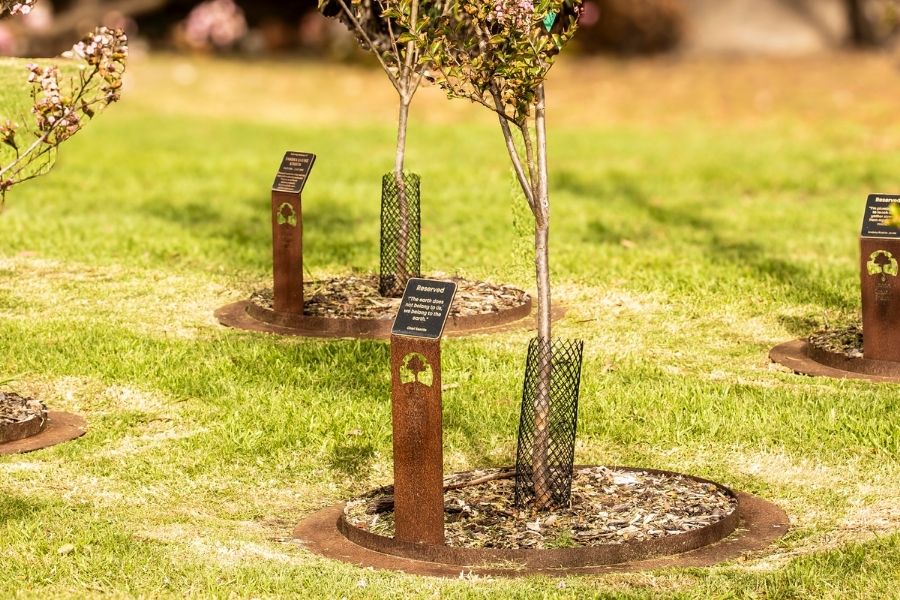
Customizing your memorial tree tribute can deepen the emotional significance, offering a powerful way to celebrate the individual’s life. Engraved plaques are a traditional and enduring option, allowing you to share a touching message or a favorite quote. A plaque serves as a physical reminder of the love and memories associated with the individual, becoming a focal point during visits to the tree. However, customization can extend beyond plaques; consider other creative elements such as planting flowers or installing decorative stones around the base of the tree, each carrying an extra layer of tribute.
Alternatively, integrating personal items like a framed photo secured within a weatherproof container or small mementos can enhance the personal touch, providing comforting connections for those who visit. Artful additions such as wind chimes or decorative ribbons can build an atmosphere around the space that reflects the character and essence of the person being memorialized, enhancing the memorial experience. These personalized elements encourage shared remembrance, making each visit a unique and heartfelt occasion.
Creative Ways to Celebrate the Tree-Planting Ceremony
Gathering Loved Ones: Making it a Meaningful Event
One of the most profound aspects of a memorial tree planting is the opportunity to bring together family and friends in honoring the memory of a loved one. Organizing a tree-planting ceremony allows attendees to share in the experience, fostering connections among those who are grieving. Consider scheduling a gathering where stories can be exchanged, cherished memories can be recounted, and laughter can intermingle with tears. This collective act of remembrance reinforces bonds and provides emotional support during a time of loss.
To further enrich the experience, you might organize activities that relate to the loved one. For example, if the individual had a passion for gardening, involving attendees in planting flowers or creating a garden space around the memorial tree can be a beautiful way to evoke their spirit. If they were an artist, ask guests to bring colored stones or decorative items they can place around the tree, transforming the sanctuary into a collaborative work of love and memory. Such communal acts deepen the emotional resonance of the occasion, creating lasting memories for everyone involved.
Incorporating Rituals and Readings: Adding Depth to the Ceremony
To truly honor the essence of the loved one during the planting ceremony, consider incorporating meaningful rituals or readings that resonate with the individual’s life and values. This could mean including a moment of silence, offering prayers, or sharing quotes and stories that encapsulate their spirit. Choose readings, poems, or lyrical excerpts that were significant to them or that reflect personal philosophies they held dear.
Involving attendees in these readings fosters a sense of togetherness and deepens the ceremony’s emotional impact. You may wish to involve children or grandchildren in reciting passages or sharing their own thoughts, which can evoke a sense of continuity and connection across generations. Additionally, incorporating music or songs that held meaning for the deceased generates a multi-sensory experience, enhancing the emotional resonance of the event and creating an even more memorable tribute.
Personal Touches: Weathering the Elements with Keepsakes
While the focus of a memorial tree ceremony primarily shifts towards honoring the loved one, incorporating personal touches can significantly enhance the overall experience. One creative approach is to provide guests with keepsakes that resonate with the individual’s essence. Consider gifting seed packets with wildflowers that can be grown in their memory, or small saplings that attendees can plant in their own gardens as a reminder of the bond shared.
Additionally, establishing a memory box where guests can place notes or mementos during the ceremony can serve as an interactive memorial that encourages reflection and shared storytelling. Later, this box can be buried or placed in proximity to the tree, linking the memories within it to the enduring life of the tree. The tree and its surrounding space can become a sacred area that continues to evolve alongside the lives of those who remember, making it a living testament to love and connection.
Maintaining Your Memorial Tree: A Living Legacy
Caring for the Tree: Tips for Longevity
After planting the memorial tree, ensuring its long-term health and maintenance is crucial. Regular watering especially in the initial years is vital for establishing root systems. Knowledge of appropriate seasonal care can vary depending on the species. For instance, some trees may require specific pruning techniques to promote healthy growth, while others might be more resilient and require minimal intervention. Keeping an eye on pests and diseases can contribute significantly to the tree’s longevity, so learning about common issues associated with the chosen species is beneficial.
In addition, establishing a care routine involving periodic inspection of the surrounding area can promote healthy growth. Keeping the area free of debris and weeds, alongside mulching to retain moisture, can set your memorial tree up for success. Many communities offer arborists’ services, and considering regular consultations with these professionals can enhance the tree’s longevity while providing peace of mind to those who seek to honor the memory of their loved ones through this living tribute.
Documenting Growth: Capturing Memories Through the Years
As the years pass, documenting the growth of the memorial tree can serve as a beautiful tribute to the loved one’s enduring legacy. This can take many forms from capturing photos at different stages of the tree’s life to maintaining a journal chronicling your reflections and memories associated with each season’s changes. Such documentation enhances the connection between the tree and the individual; every leaf, branch, and flower can evoke stories and memories as shared in earlier visits.
Consider inviting family members to participate in this documentation, creating a collective memory that honors the individual’s life. Periodic family gatherings can be organized to take photos, share updates about the tree’s growth, and reminisce about the love shared with the deceased. This living record fosters a sense of shared stewardship while keeping joy and remembrance alive among families an engaging way to teach future generations about the significance of honoring loved ones through nature.
Creating a Community Legacy: Involving Others in the Journey
As the memorial tree serves as a testament to a life well-lived, consider extending the impact of the tribute to the wider community. Hosting seasonal events that invite neighbors and community members to join in caring for the tree can instigate a sense of collective responsibility and remembrance. Seasonal gatherings could be centered around themes, such as a Spring Solstice to celebrate renewal, or an autumn gathering to reflect on change and transformation. These events can foster a connection to nature while reinforcing community bonds.
Additionally, implementing educational outreach programs in local schools about the importance of trees and environmental stewardship can create a legacy that not only honors your loved one but instills the ideals they cherished in future generations. Planting trees as a community in honor of the loved one can further deepen the significance of memory, establishing an ongoing legacy that ties back to the initial tribute. Engaging the community conveys that while grief is a deeply personal journey, it can also cultivate connections that enrich and strengthen collective experiences, effectively preserving memories within a larger context of love and unity.