

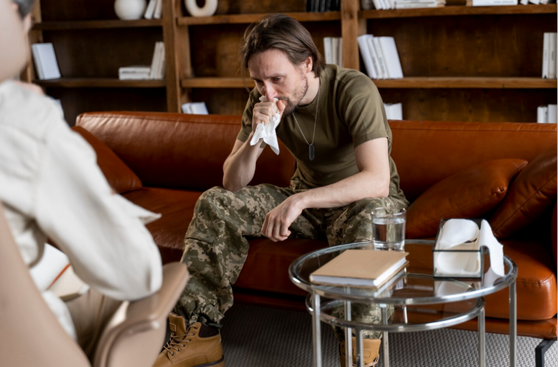
Sometimes, life can be stressful following military service. You may still have thoughts about the pain, anxiety, and issues with sleep that affect your daily life. PTSD-related stress can also make work, relationships and daily life more difficult.
Due to these ongoing challenges, many veterans in Tampa are seeking professional help to regain a sense of calm and control. PTSD treatment programs in Tampa can provide therapy, medical treatment, group support, and telehealth treatment for veterans experiencing stress and painful memories.
Several programs also offer trauma-informed care in a safe, supportive space. With regular assistance, symptoms can be gradually controlled, and healthier daily living habits can be established.
Several programs help veterans recover from PTSD following military trauma these days. Over time, various methods of care can help to enhance sleep, emotional regulation, and overall stability. This article explains five important initiatives that support veteran PTSD recovery.
- Trauma Care Plans
PTSD symptoms can affect every veteran in different ways. After military service, you might experience panic attacks, nightmares, anxiety, or painful memories. A few veterans experience emotional disconnect with friends and family members as well. One of the first steps in PTSD treatment in Tampa involves a comprehensive mental health assessment to determine your symptoms.
Mental health teams assess sleep issues, stress levels, anxiety and trauma background before developing care plans. This way, you get help tailored to your experiences and needs throughout the day. Severe anxiety, emotional numbness or memories related to past trauma may require assistance.
Safe treatment areas can also help you focus entirely on healing. Medication, regular counseling sessions, and healthy habits can help you feel calmer and more stable during treatment.
- Residential Support Programs
Numerous residential PTSD programs in Tampa offer 24/7 treatment for veterans who have severe symptoms. It can be difficult to recover at home without the necessary support, and you might feel uneasy or overwhelmed. Inpatient treatment programs provide a healthy daily routine that helps minimize stress and increase stability.
Residential treatment can include therapy sessions every day. Through private counseling, you can find safe spaces to talk to trained therapists about painful memories. Group sessions also provide an opportunity to meet individuals who are sensitive to military trauma and emotional issues.
Recovering with others can help lessen feelings of isolation. You may feel more comfortable talking with people who have faced situations similar to yours during service. Over time, trust and emotional healing are better achieved through peer support.
If symptoms remain severe, doctors can also offer prescription assistance. Some medications may be effective for reducing trauma-related anxiety, sleep difficulties, mood fluctuations, and nightmares.
- Telehealth Care Services

In-person treatment can be challenging due to travel, work schedules, and physical restrictions. Telehealth programs offer a secure online option to obtain therapy from home. With online care, you can stay in treatment without the hassle or long drives.
Virtual therapy is sometimes used to help veterans in the aftermath of an inpatient treatment program. Continued care can help you avoid significant complications in recovery. Online counseling might also be safer if you are more prone to feeling anxious in crowded or busy areas.
Telehealth services usually include therapy sessions, emotional support, and regular doctor visits. Treatment plans may be modified in response to changes in mental health symptoms. Regular communication can also help you stay on track with recovery objectives during difficult times.
- Trauma Therapy Methods
Modern PTSD programs often use therapy methods shown to help many people recover from trauma. Cognitive-behavioral therapy helps you notice harmful thoughts driven by fear and painful memories. Counseling sessions can also teach healthier ways to respond to stress and anxiety.
Accelerated Resolution Therapy is another method used in some PTSD programs. This therapy helps you work through painful memories in calm and controlled settings. Guided sessions may reduce panic, fear, and emotional pain connected to past experiences.
Family therapy and group counseling also support recovery. Family sessions improve communication between you and loved ones affected by PTSD symptoms. Group discussions create safe spaces where veterans can share coping strategies and recovery stories.
- Daily Medical Support
Some PTSD symptoms may continue even after regular therapy sessions. Panic attacks, sleep problems, mood changes, and nightmares sometimes require medical support. Medication programs help you receive safe care from trained doctors during recovery.
Doctors may prescribe medications that help reduce anxiety and improve emotional balance. Certain medications can also help you sleep better and manage trauma-related nightmares. Medical teams closely monitor symptoms to prevent potentially unsafe side effects.
Medication support works best when combined with therapy and daily recovery programs. Counseling sessions can teach coping skills that medications alone cannot provide. Good treatment plans often help you feel calmer and handle daily life more easily.
Regular doctor visits also help keep treatment safe and effective over time. Medical teams can adjust prescriptions when symptoms change during recovery. Strong support systems often help veterans feel more stable, confident, and in control.
Bottomline
PTSD can affect your sleep, emotions, relationships, and daily life long after military service ends. Many veterans seeking PTSD treatment in Tampa look for structured support that helps them manage symptoms and regain stability over time. Trauma care plans, residential support, telehealth services, therapy methods, and medical care all support long-term recovery.
Each recovery program helps veterans in different ways based on personal struggles and symptom severity. Mental health teams can teach skills that improve sleep, communication, and emotional control during stressful situations. Safe support systems also help veterans handle painful memories in healthier ways. With proper care and steady support, recovery and emotional healing can once again become possible.