

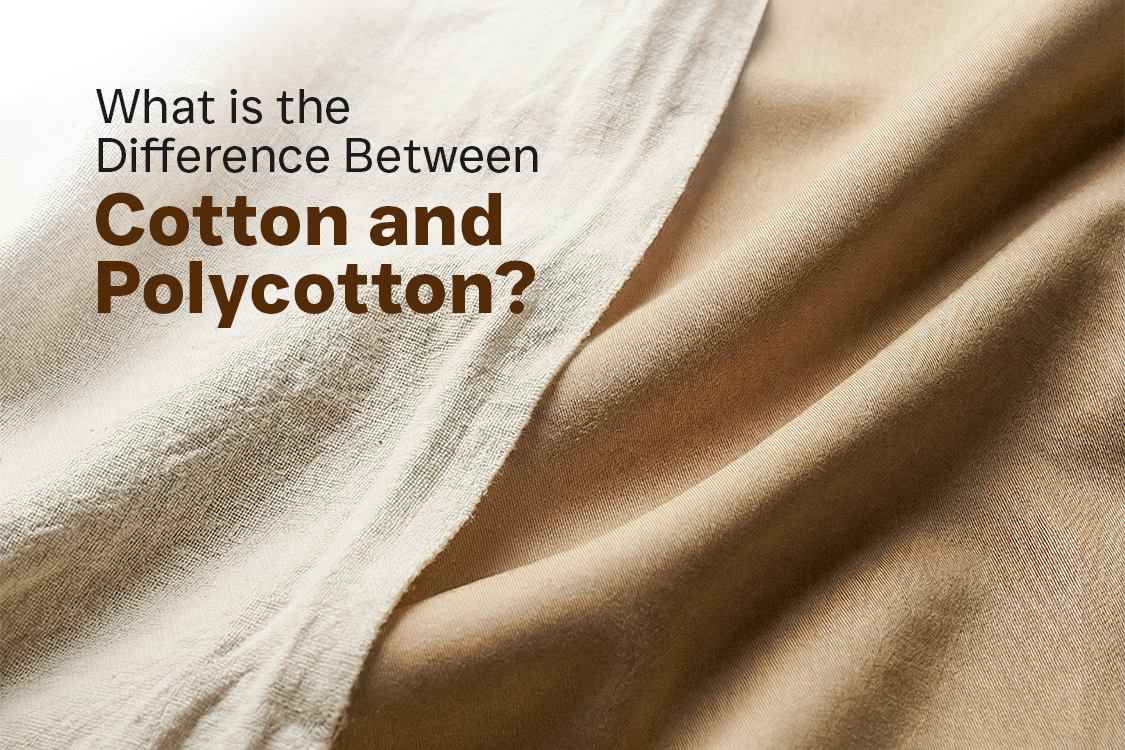
Choosing the right fabric is one of the most important decisions in apparel development. Among the most commonly used materials are cotton and polycotton, each offering distinct benefits depending on the end use. Understanding the difference between cotton and polycotton helps brands, buyers, and manufacturers make informed choices based on comfort, durability, cost, and performance.
This blog breaks down both fabrics in detail to help you select the right option for your product requirements.
What is Cotton Fabric?
Cotton is a natural fibre derived from the cotton plant. It is widely used across the apparel industry due to its softness, breathability, and versatility.
Key Characteristics of Cotton:
- Soft and comfortable on the skin
- Highly breathable and absorbent
- Biodegradable and eco-friendly
- Suitable for sensitive skin
- Ideal for warm climates
The quality of cotton fabric depends on factors such as fibre length (staple), weave, and finishing processes. Long-staple cotton generally produces smoother, stronger, and more durable fabrics.
What is Polycotton Fabric?
Polycotton is a blend of cotton and polyester fibres. It combines the natural comfort of cotton with the durability and performance of synthetic polyester.
Key Characteristics of Polycotton:
- More durable than pure cotton
- Wrinkle-resistant and easy to maintain
- Less prone to shrinking
- Faster drying compared to cotton
- More cost-effective for large-scale production
Polycotton is widely used in uniforms, workwear, and everyday apparel where durability and ease of care are important.
Difference Between Cotton and Polycotton
Here is a clear comparison to understand the difference between cotton and polycotton:
| Feature | Cotton | Polycotton |
| Composition | 100% natural fibre | Blend of cotton and polyester |
| Comfort | Very soft and breathable | Moderately soft |
| Durability | Moderate | High |
| Wrinkle Resistance | Low | High |
| Absorbency | High | Medium |
| Drying Time | Slow | Fast |
| Maintenance | Requires more care | Easy to maintain |
| Cost | Generally higher | More economical |
Which Fabric is Better?
There is no one-size-fits-all answer. The right choice depends on the application:
- Choose cotton for premium garments, comfort wear, and breathable clothing.
- Choose polycotton for uniforms, activewear, and garments requiring durability and low maintenance.
For brands, balancing comfort, cost, and functionality is key when selecting fabrics.
FAQs
- Which is better, cotton or polycotton?
It depends on usage. Cotton is better for comfort and breathability, while polycotton is better for durability and easy maintenance.
- Is polycotton less breathable than cotton?
Yes, polycotton is generally less breathable than pure cotton due to the presence of polyester fibres.
- Does polycotton shrink like cotton?
Polycotton is less prone to shrinking compared to 100% cotton fabrics.
- How do I identify the quality of cotton fabric?
The quality of cotton fabric can be determined by fibre length, softness, weave, and finishing. Long-staple cotton usually indicates higher quality.
- Why do manufacturers use polycotton blends?
Manufacturers use polycotton for its durability, cost-effectiveness, and ease of maintenance, especially in large-scale production.
Role of an Apparel Manufacturer
An experienced apparel manufacturer plays a crucial role in guiding fabric selection based on product requirements. From sourcing the right materials to ensuring consistent fabric quality, manufacturers help brands achieve the desired performance and finish.
At Classic Fashion, fabric selection is aligned with end-use needs, ensuring the right balance between comfort, durability, and cost-efficiency. Understanding the quality of cotton fabric and the performance of blended textiles allows for better product development and customer satisfaction.
Conclusion
Understanding the difference between cotton and polycotton is essential for making informed decisions in apparel production. While cotton offers unmatched comfort and breathability, polycotton provides durability and ease of maintenance.
For businesses and brands, the right fabric choice depends on the intended use, target audience, and performance expectations. With the right approach and the support of a reliable apparel manufacturer, it is possible to create products that deliver both quality and value.