

Exploring new mental health options can feel overwhelming, especially when traditional treatments have fallen short. If you are considering transcranial magnetic stimulation, understanding the fundamentals of the process is the best way to prepare. Knowing what to expect from the very first session helps you make informed choices and approach your care with total confidence.
Demystifying the Technology and Daily Experience
Transcranial magnetic stimulation is an FDA-approved treatment that uses focused magnetic fields to stimulate nerve cells in the brain. Specifically, it targets areas responsible for mood regulation, such as the prefrontal cortex, which often shows reduced activity in individuals struggling with chronic depression. Unlike older psychiatric procedures, this approach is entirely non-invasive and does not rely on systemic medications or sedation.
Your journey begins with an initial session that includes a specialized process called brain mapping. During this appointment, the psychiatrist determines the exact placement of the magnetic coil and measures your personal motor threshold. The doctor achieves this by delivering small pulses to find the precise level of magnetic energy required to make your thumb twitch slightly. This measurement ensures that your subsequent daily treatments are calibrated exactly to your unique biological needs, providing maximum safety and precision.
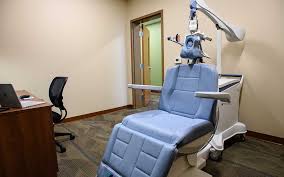
When you arrive for a daily session, you sit comfortably in a reclining chair while awake and alert. A technician positions the magnetic coil against your scalp based on your personal map. Once the machine activates, you will hear a clicking sound and feel a localized tapping sensation. Many people compare this feeling to a light, rhythmic tapping on the head, similar to an electric toothbrush or a woodpecker. Because the device generates a steady clicking sound, the clinic provides earplugs or allows you to listen to music or podcasts to ensure your comfort.
A typical session lasts between twenty and forty minutes, depending on your customized plan. Because the procedure requires no anesthesia, there is no downtime or recovery period afterward. You can immediately drive yourself home, return to your office, or run errands around town, making it easy to weave into a busy South Florida lifestyle without disrupting your daily obligations.
Understanding Qualifications and Insurance Coverage
When investigating TMS therapy Miami: what to know first is whether you are an ideal candidate and how the financial approval process works. This option is primarily designed for adults experiencing major depressive disorder who have not achieved satisfactory results from standard antidepressant medications or talk therapy. This condition is frequently referred to as treatment-resistant depression.
Beyond chronic depression, the medical community also utilizes this technology to treat obsessive-compulsive disorder and assist with smoking cessation. During your initial consultation, a psychiatrist reviews your complete medical history to evaluate your suitability for these specific protocols. Insurance companies in Florida widely cover this treatment for depression, but they require specific documentation to approve the care. Typically, providers want to see a record of the specific medications you have tried, their dosages, and the duration of each trial to confirm that traditional approaches did not deliver adequate relief.
The clinical staff handles the prior authorization paperwork for you, submitting your history and diagnostic details to your insurance carrier. Safety screening is also a vital part of this early phase. Because the treatment involves powerful magnetic fields, anyone with magnetic metal implants in their head or neck, such as aneurysm clips, cochlear implants, or stents, cannot undergo the procedure. Standard dental fillings, crowns, and braces are completely fine, but full disclosure of your medical background protects your safety throughout the process.
Setting Realistic Timelines and Managing Side Effects
Consistency is key to achieving optimal results with neurostimulation. The standard treatment course requires you to attend sessions five days a week for approximately four to six weeks, followed by a gradual tapering period over a couple of weeks. This frequent schedule is necessary because your brain requires regular, repetitive stimulation to encourage neuroplasticity and rebuild healthier neural pathways.
It is important to remember that improvements develop gradually rather than overnight. A few individuals might notice positive shifts in their sleep quality, concentration, or baseline energy during the first two weeks, but the most significant relief from depression symptoms usually emerges between the fourth and sixth weeks. Every individual responds differently, and maintaining open communication with your care team ensures that the stimulation settings match your personal progress.
Once you complete the full treatment course, many patients experience sustained relief that lasts for a year or longer. Some individuals choose to combine this therapy with ongoing talk therapy to reinforce their emotional wellness, while others may return for occasional maintenance sessions down the road if symptoms begin to resurface.
Side effects are mild and localized, setting this approach apart from oral medications. The most frequent complaint is a mild headache or slight scalp tenderness around the application site during the first few sessions. These sensations usually disappear within a week as your scalp becomes accustomed to the magnetic pulses. Because the treatment acts directly on the brain without entering the bloodstream, it completely avoids systemic side effects like weight gain, nausea, or drowsiness, allowing you to focus fully on your path to wellness.