

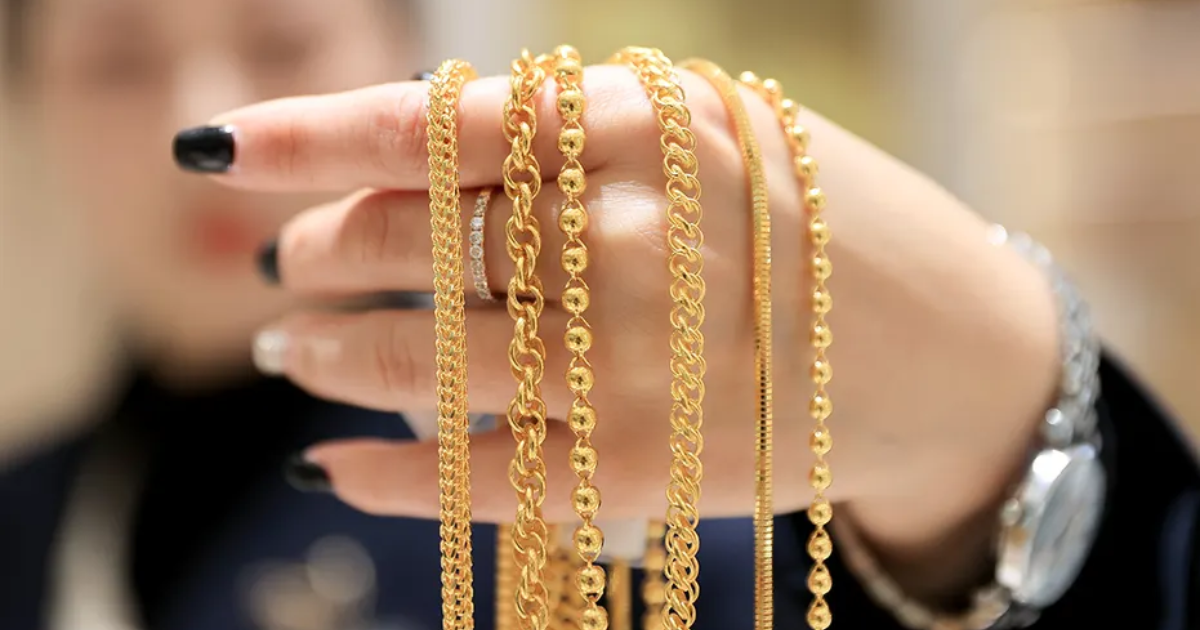
Understanding how gold purity affects value is essential for anyone planning to sell jewelry. The purity of gold determines both its intrinsic worth and how much buyers are willing to pay. Knowing key factors like karat, weight, and market conditions helps ensure a fair transaction.
Understanding Gold Purity
Gold purity is measured in karats, which indicate how much pure gold is present in a piece. Pure gold is 24 karats, but most jewelry contains a mix of gold and other metals. This combination adds strength and durability, especially for everyday wear.
Common purities include 10K, 14K, 18K, and 22K. The higher the karat, the higher the proportion of gold compared to alloy metals. Because pure gold is softer, lower karat jewelry is often preferred for items like rings and bracelets.
The Relationship Between Karat and Value
When you sell jewelry, buyers evaluate its purity to determine how much pure gold can be extracted. For instance, 18K pieces contain 75% gold, while 14K contains about 58%. The difference in purity directly affects the payout, especially when gold prices are high.
Even small variations in karat can make a noticeable difference. Two items that look similar may have very different values based solely on gold content. Understanding these distinctions helps sellers make informed decisions.
Testing and Verification
Before selling, gold purity is typically tested using methods such as acid testing, electronic testing, or X-ray fluorescence. These techniques confirm the karat value and detect any plating or non-gold components. Accurate testing builds trust between seller and buyer.
For those who sell jewelry online, many reputable platforms provide testing reports or certification. This transparency ensures both parties understand the quality and authenticity of each piece.
How Alloy Metals Affect Value
Alloy metals like copper, silver, or zinc influence both color and strength but also reduce the total gold content. For example, white gold typically includes palladium or nickel, giving it a bright hue but lowering overall purity. The more alloy present, the lower the melt value.
Understanding the specific metal mix in your jewelry can help you estimate potential returns. Buyers often adjust their offers based on how easily the gold can be refined or reused.
Market Conditions and Timing
Gold prices fluctuate daily based on global supply and demand. When you plan to sell gold jewelry, timing can influence your payout significantly. Monitoring market trends before finalizing a sale can lead to higher returns.
External factors such as inflation, currency shifts, and investor sentiment also affect gold pricing. Sellers who keep an eye on these movements can better understand when to act.
Practical Tips for Maximizing Value
Getting the best price involves more than just purity. Presentation, accurate documentation, and clear understanding of current gold rates all contribute to your final payment.
- Weigh jewelry accurately using a reliable scale.
- Know the karat marking on each item before evaluation.
- Compare multiple offers to find fair market value.
- Stay updated on daily gold prices before negotiating.
Evaluating Sentimental vs. Market Worth
Some pieces carry emotional value that outweighs their melt price. Before deciding to sell, consider whether the sentimental attachment aligns with financial goals. In some cases, holding onto heirlooms may be more meaningful than their market worth.
When evaluating jewelry objectively, focus on purity, craftsmanship, and total weight. These measurable factors provide a realistic picture of what buyers will offer.