

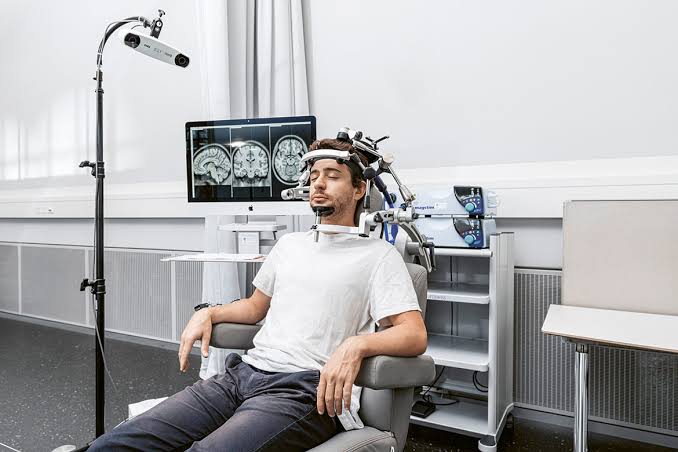
You may have spent years searching for a way to feel like yourself again. When traditional methods like medication and talk therapy have not provided the relief you need, it is easy to feel discouraged. You deserve to know that there are advanced, non-invasive options available right here in your community. Transcranial Magnetic Stimulation, or TMS therapy, offers a science-backed path toward reclaiming your emotional wellness.
How Targeted Magnetic Pulses Restore Your Balance
At its core, your emotional health is linked to the activity within specific networks in your brain. For many people, depression and anxiety are not just about personal willpower. They are often rooted in areas of the brain that have become under-active. Think of it like a dimmer switch that has been turned down too low. When this happens, communication between your neurotransmitters slows down, making it harder to experience positive moods or consistent emotional stability.
TMS therapy works by using MRI-strength magnetic pulses to gently stimulate these specific, under-active regions. Unlike medication, which travels through your entire bloodstream and can cause systemic side effects like weight gain or fatigue, TMS is highly localized. It targets the exact spot responsible for mood regulation. By encouraging these neurons to fire more effectively, you are essentially helping your brain rebuild its own natural communication pathways. This process fosters lasting change by addressing the neurological foundation of your mood rather than just masking symptoms.
Many patients find that this approach allows them to feel sharper, more motivated, and more emotionally balanced. Because it is non-invasive, you do not need to worry about anesthesia, sedation, or long recovery periods. You stay fully awake and comfortable during your session, and you can get back to your normal day immediately afterward.
The Science of Neuroplasticity and Your Mood
One reason TMS therapy is so effective is its relationship with neuroplasticity. Your brain is not a static organ. It is constantly changing, forming new connections, and pruning old ones based on your experiences and environment. When you suffer from chronic low mood, your brain can become “stuck” in a negative loop, reinforcing those pathways that contribute to sadness or worry. TMS helps break this cycle.
By providing consistent, rhythmic stimulation to the prefrontal cortex, the magnetic pulses prompt the brain to create new, healthy connections. This is not about changing who you are as a person. Instead, it is about giving your brain the physical support it needs to regulate its own chemistry more effectively. Over the course of several weeks, this repetition helps solidify those healthier patterns, allowing you to experience relief that persists well after the treatment cycle ends.
Building a Sustainable Future for Your Mental Health
Choosing a path toward wellness means looking for solutions that fit into your life, not the other way around. One of the most significant advantages of this treatment is its convenience. Sessions are short, often lasting less than 40 minutes. This allows you to integrate your care into a busy schedule without disrupting your work or family commitments.
When you commit to a course of TMS therapy, you are taking a proactive step toward long-term remission. Many people who complete their treatment course report that the benefits continue long after their last session. This is because you are not just receiving a temporary boost. You are training your brain to maintain a more stable, healthy rhythm.
Of course, this journey is most effective when it is part of a broader strategy. You might consider how these sessions can serve as a catalyst for other positive changes in your life. With your energy and focus returning, it becomes much easier to engage in regular exercise, nourish your body, and connect with your loved ones. By combining this innovative technology with compassionate, personalized psychiatric care, you create a foundation for lasting wellness that serves you for years to come.
Addressing Common Concerns and Misconceptions
It is natural to have questions before starting a new form of treatment. Many people worry that the procedure might be painful or confusing. In reality, most patients describe the sensation as a light tapping on the scalp. Because it does not involve medication, there are no “brain fog” side effects that often come with traditional antidepressants. You can drive yourself to your appointment, complete your session, and return to your daily tasks immediately.
Another common concern is the duration of the relief. Because TMS focuses on the neurological roots of mood regulation, the changes are often durable. While some individuals may require “maintenance” sessions later on, many find that the skills and emotional balance they gain during the primary treatment phase stay with them for a long time. It is a tool for long-term health, not just a quick fix.
When you sit down with a professional to discuss your options, you are not just a patient file. You are an individual with unique needs and a specific history. The best results occur when technology meets personalized attention. In Norwood, having a team that monitors your progress and adjusts your care as you improve is what truly makes the difference. Your path to wellness is a journey, and you have the power to take the first step today.