

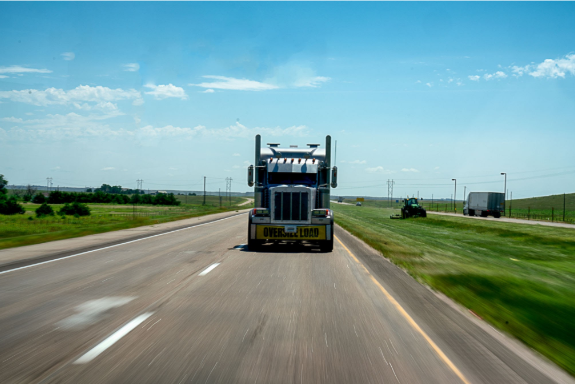
The global supply chain operates on a remarkably thin margin for error. Every day, millions of tons of freight move across the country, serving as the lifeblood of retail, manufacturing, construction, and agriculture. Yet, the logistics industry faces an ongoing barrage of obstacles, from unpredictable weather patterns and aggressive traffic gridlock to tightening federal safety regulations and fluctuating fuel costs. In this high-stakes environment, a single delayed delivery can trigger a cascading failure throughout an entire production schedule or leave retail shelves empty.
While advanced logistics software, real-time GPS tracking, and route optimization algorithms are highly valuable tools, they are ultimately powerless without the person behind the wheel. The human element remains the most critical variable in the transportation equation. Solving the most persistent freight delivery challenges does not require more complex technology; it requires experienced Commercial Driver’s License (CDL) drivers who possess the skill, judgment, and dedication necessary to navigate the realities of modern transportation.
The Landscape of Modern Freight Delivery Challenges
To understand why experienced operators are irreplaceable, we must first look at the core disruptions plaguing supply chains today. Freight management has shifted from a predictable, linear operation into a dynamic puzzle that requires constant adjustment.
1. Tightening Delivery Windows and Just-In-Time Supply Chains
Many modern manufacturing facilities and retail giants operate on Just-In-Time (JIT) inventory systems. Instead of storing massive stockpiles of raw materials or product inventory in expensive warehouses, supplies are scheduled to arrive precisely when they are needed for production or sales. While this slashes storage overhead, it leaves zero room for delays. A delivery that is even two hours late can completely stall an assembly line, costing companies tens of thousands of dollars per hour.
2. Unforgiving Volatility on the Roads
A route that looks perfect on a digital map can fall apart instantly in the real world. Extreme weather events—ranging from sudden winter blizzards to torrential summer downpours—can render highways impassable. Simultaneously, metropolitan traffic congestion continues to worsen. Navigating urban bottlenecks requires constant situational awareness, patience, and the ability to pivot seamlessly without compromising safety.
3. Compliance and Regulatory Pressures
The Department of Transportation (DOT) and the Federal Motor Carrier Safety Administration (FMCSA) enforce strict rules to ensure highway safety. The widespread adoption of Electronic Logging Devices (ELDs) ensures that Hours of Service (HOS) regulations are tracked down to the exact minute. Drivers must carefully balance their driving time, mandatory rest periods, and unexpected road delays. Managing these strict constraints without violating federal law demands deep industry familiarity.
How Experienced CDL Drivers Solve Logistics Bottlenecks
An entry-level driver who has just earned their commercial license understands the basic mechanics of operating a truck. However, true efficiency, safety, and problem-solving capabilities are forged through thousands of miles on the open road. Veteran CDL drivers act as risk-mitigation specialists, directly solving the primary pain points that plague supply chain managers.
Reductions in Accidental Damage and Cargo Claims
Cargo claims are an expensive nightmare for carriers and shippers alike. Damage frequently happens during sudden braking, tight maneuvering, or poor weight distribution. Experienced operators possess an intuitive understanding of vehicle physics and spatial awareness. They know how to take corners smoothly, how to manage downgrades in mountainous terrain without burning out brakes, and how to protect fragile loads from shifting.
Intuitive Problem Solving and Dynamic Rerouting
When a highway shuts down due to an accident, navigation apps often send every vehicle down the same single-lane detour, creating secondary gridlock. A seasoned truck driver relies on years of regional experience. They understand which alternative routes can safely handle the height and weight of a fully loaded Class 8 vehicle. They can communicate effectively with dispatch, make independent, rational safety adjustments, and protect the delivery schedule before a minor delay turns into a total failure.
Mastery of Regulatory Compliance and Documentation
Veteran drivers handle inspections, weight stations, and paperwork with efficiency. They know exactly how to conduct thorough pre-trip and post-trip inspections to catch mechanical failures—such as a frayed air line or a tire puncture—before the truck ever hits the highway. By preventing on-the-road breakdowns and maintaining pristine electronic logs, they avoid the costly DOT fines and out-of-service orders that frequently stall inexperienced fleets.
The True Cost of High Driver Turnover
Many shipping operations attempt to combat the chronic shortage of drivers by lowering their hiring standards or continuously cycling through inexperienced, underpaid recruits. This strategy almost always backfires, creating massive hidden expenses that far outweigh any temporary savings in driver wages.
| Risk Category | Inexperienced / High-Turnover Fleets | Experienced CDL Driver Fleets |
| Accident & Collision Rates | Significantly higher; frequent minor scrapes, backing incidents, and lane-change collisions. | Drastically lower; defensive driving habits prevent incidents before they happen. |
| Insurance Premiums | Consistently rising due to recurring claims and poor safety scores. | Stable or discounted; clean safety profiles earn preferred provider rates. |
| Equipment Wear & Tear | High; harsh braking, rough shifting, and improper engine idling accelerate maintenance needs. | Low; smooth operating techniques preserve tires, brakes, and fuel efficiency. |
| Customer Retention | Threatened by unpredictable delivery delays and damaged cargo. | High; dependable arrival times build deep institutional trust. |
When a company relies on high-quality personnel, they insulate themselves from these financial drains. Investing in premium talent or utilizing a specialized provider for CDL driver staffing in Dallas allows logistics operations to instantly inject reliability into their regional routes, bypassing the costly trial-and-error phase of rookie hiring.
Proactive Fleet Management: Sourcing and Retaining Elite Drivers
Building a reliable shipping operation requires a deliberate strategy for finding and keeping top-tier driving professionals. Because demand for elite CDL holders is fierce, companies must focus on creating a supportive operational environment.
Clear, Respectful Communication
The relationship between dispatch and the driver is the anchor of driver retention. Experienced drivers expect clear, concise pickup details, realistic scheduling, and respectful treatment at shipping facilities. Forcing a driver to operate on an unrealistic schedule or ignoring their feedback regarding road safety is a guaranteed way to drive them straight to a competitor.
Providing Well-Maintained Equipment
A driver’s truck is their office, their home away from home, and their primary safety shield. Elite drivers take immense pride in their work and want to operate well-maintained, reliable machinery. When a fleet manager proactively services equipment and addresses reported maintenance write-ups immediately, it signals to the driver that their comfort and highway safety are valued.
Utilizing Flexible Staffing Models
Logistics demand is rarely flat; it surges dramatically during the holidays, harvest seasons, or unexpected manufacturing booms. Maintaining a massive full-time driver bench to handle peak surges is financially unsustainable during slower months. Forward-thinking companies solve this by leveraging specialized staffing networks. This allows them to scale up their driving capacity with thoroughly vetted, highly experienced temporary or contract professionals exactly when the workload peaks, ensuring maximum fleet efficiency without carrying unnecessary overhead.
Safety as a Financial Asset
In the transportation industry, safety is not a superficial metric or a simple box to check on an compliance form—it is a critical driver of profitability. A single major commercial vehicle accident can jeopardize the financial survival of a mid-sized carrier or logistics provider. Beyond the devastating human cost, the financial fallout includes legal liabilities, lost cargo value, destroyed equipment, higher insurance premiums, and irreparable damage to a brand’s reputation.
Experienced CDL drivers are defensive driving experts. They understand how to maintain a safe following distance, constantly scan the horizon for developing hazards, and proactively adjust their speeds for heavy rain, high winds, or icy highway overpasses. They recognize the warning signs of fatigue and know when to safely pull over, rather than pushing past their limits to meet an aggressive deadline.
By prioritizing safety, veteran drivers protect more than just the freight in their trailers; they preserve the company’s bottom line, ensure regulatory compliance, and keep the public highways safe for everyone.
Conclusion: The Road Forward
As supply chains grow increasingly complex and consumer expectations for fast, flawless delivery continue to climb, the margin for operational error will only shrink further. While automation, AI routing platforms, and digital freight matching will continue to reshape the logistical landscape, they cannot replace the split-second decision-making, physical skill, and seasoned intuition of an elite professional truck driver.
Ultimately, solving the most difficult freight delivery challenges comes down to prioritizing human capital. By ensuring your fleet is staffed by experienced, thoroughly vetted CDL professionals, you turn your transportation network from an unpredictable vulnerability into a rock-solid competitive advantage. When the road gets unpredictable, it is the driver at the wheel who delivers peace of mind.