

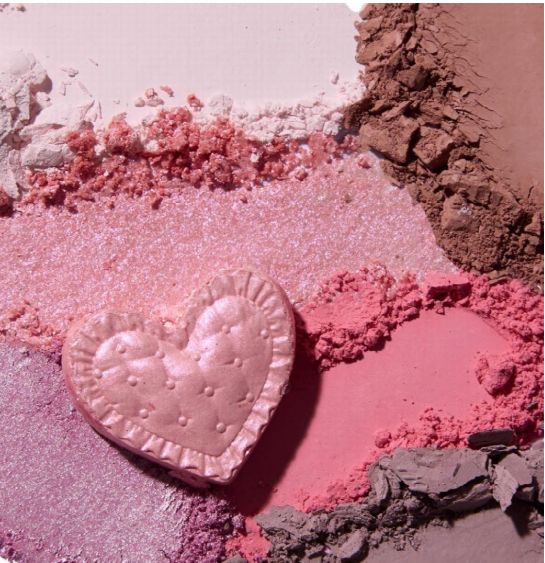
A good eyeshadow palette is worth buying when it performs well, suits your routine, and gives you enough usable shades to justify the price. Strong pigment matters, but so do texture, blendability, wear time, and how easily the colors work together. The best palettes make application simple, whether you want a quick daytime look or something more polished for evening. Shade selection also plays a major role. A beautiful color story means little if half the pans sit untouched. Finish balance, packaging, and overall value help determine whether a palette becomes a staple or ends up forgotten in a drawer. If you want to spend smarter, focus on formula quality, practical shade range, and how well the palette supports the looks you actually wear most.
What Defines a High-Quality Eyeshadow Formula?
Pigmentation, Blendability, Texture, and Fallout
A high-quality eyeshadow palette formula should deliver clear color without turning application into extra work. Good pigmentation means the shade appears true in one or two passes, not after endless layering. Blendability matters just as much, because even rich color looks messy if it skips, sticks, or goes patchy. Texture should feel smooth and finely milled rather than dry, gritty, or overly creamy. Minimal fallout is another sign of quality, especially with shimmer shades. The Flower Knows Bunny Garden 6-Color Makeup Palette highlights many of these strengths: high-saturation pigments, silky-matte payoff, a clean non-sticky feel, soft-focus color that is not chalky, and seamless glide designed to avoid caking or uneven edges during everyday application.
Wear Time, Creasing, and Consistent Color Payoff
A palette earns its place when the color still looks good hours later. Strong wear time means shadows stay visible without fading into dullness by midday. Creasing is another key test, especially on oily lids or during long workdays. A good formula holds its shape, blends smoothly at first application, and keeps that even finish instead of separating into lines. Consistent color payoff also matters across every shade in the palette. You should not get one buttery matte and three weak, dusty pans beside it. Reliable performance lets you build looks confidently without guessing which shades will cooperate. When the formula stays smooth and stable, your eye makeup feels easier, faster, and more polished overall.
Which Shades and Finishes Will You Actually Use?
A Useful Mix of Mattes, Shimmers, and Accent Shades
The most worthwhile palettes include finishes that help you create complete looks, not just attractive swatches. Mattes usually do the heavy lifting, giving you base color, depth, and definition through the crease and outer corner. Shimmers add light, dimension, and quick impact, while one or two accent shades keep the palette from feeling flat or repetitive. The goal is balance. Too many bold metallics can limit everyday wear, while all mattes may feel uninspiring for anyone who likes a little sparkle. A practical layout often includes several neutrals, a deeper shade for contrast, and brighter toppers for flexibility. When each finish serves a purpose, more pans become genuinely usable instead of decorative filler in daily rotation.
Color Stories That Suit Your Skin Tone and Routine
The best color story is one that fits your real life. If you mostly wear soft, polished makeup, a palette full of dramatic neon tones will not deliver much value. Shades should complement your skin tone, eye color, and comfort level while still offering enough variation to keep looks interesting. Warm browns, apricots, taupes, and champagne tones tend to work well for everyday wear because they move easily from office makeup to casual evenings out. The Flower Knows Bunny Garden 6-Color Makeup Palette in White Bunny—Creamy Apricot does this well with Milky Almond, Butterscotch, Cinnamon, Espresso Coffee, Champagne Pearl, and Moonlight, creating a soft, wearable range that feels cohesive without becoming boring or limited.
How Can You Tell If an Eyeshadow Palette Is Worth It?
Judge Versatility, Usable Shades, Packaging, and Price
A palette is worth buying when most of the shades earn regular use. Count how many pans you can realistically wear alone, combine easily, or adapt for different occasions. Versatility matters more than a large shade count. Packaging also affects value. A compact case that protects the shadows and travels well makes a palette more practical, especially if you do your makeup on the go. Price should reflect performance, usability, and design rather than hype. You are paying for a formula that applies well and a layout that saves time. If a palette offers coordinated shades, dependable texture, and thoughtful packaging, it often provides better value than a bigger option full of colors you will ignore.
Match the Palette to Your Everyday Makeup Goals
The clearest way to judge value is to compare the palette with your usual makeup habits. If you want fast, reliable looks before work, choose shades you can blend quickly without heavy correction. If you prefer soft glamour, make sure the palette includes both grounding mattes and light-catching shimmer. A small, well-edited palette can outperform a larger one when it aligns closely with your routine. Think about where you wear makeup, how much time you spend applying it, and whether you like subtle definition or more visible contrast. A palette that supports those goals will get used consistently. That repeat use is what makes it worth buying, far more than trendy packaging or a dramatic first impression.
Conclusion
A good eyeshadow palette is worth buying when it combines strong formula performance with shades you will genuinely use. Look for smooth texture, solid pigmentation, easy blending, low fallout, and color that stays even throughout the day. Then check whether the palette offers a practical mix of mattes, shimmers, and deeper tones for complete looks. The best choice should fit your skin tone, daily routine, and preferred makeup style rather than simply following trends. Value comes from usability, not just the number of shades in the box. When a palette helps you create flattering looks quickly, travels well, and performs consistently, it earns its place in your collection. Smart buying starts with asking how often you will actually reach for it.