

Your home should feel calm, clean, and safe. That changes fast when you see ants crossing the counter, hear scratching in the wall, or find droppings under the sink. Pests are small, but the stress they bring can feel much bigger than they are.
Good pest control is not just about killing bugs or setting traps. It is about understanding why pests entered, what they need to survive, and how to stop them from coming back. The best approach combines prevention, inspection, smart treatment, and steady habits.
This guide explains how to defend your home from common pests in a practical way. You will learn what attracts pests, where to look for early warning signs, which control methods make sense, and when it is time to get help.
Understand What You Are Defending Against
Most pests enter homes for three basic reasons. They want food, water, and shelter. If your home gives them easy access to those things, they are more likely to stay, breed, and spread.
A company such as a professional pest control service like El Valle Pest Control, may look at these conditions during an inspection because pest control works best when it targets the source, not just the visible pests. A few ants on the counter may point to a hidden entry point. A mouse in the kitchen may point to a gap near a pipe, garage door, or foundation line.
Different pests create different risks. Roaches can contaminate food surfaces. Rodents can chew wiring, insulation, and stored items. Termites can damage wood for months before you notice a clear sign. Bed bugs can spread through furniture, luggage, and clothing.
The first step is simple. Do not treat every pest problem the same way. Identify the pest, find where it is active, and look for the condition that made your home attractive in the first place.
Common Household Pests And The Problems They Cause
Every home faces different pest pressure based on location, weather, building age, yard conditions, and daily habits. Still, most pest issues fall into a few common groups.
Ants often show up in kitchens, bathrooms, and around windows. They follow scent trails and can quickly turn one small food source into a steady line of traffic. Spraying the ants you see may not solve the colony behind the problem.
Cockroaches prefer warmth, moisture, grease, and tight hiding spots. Kitchens, bathrooms, laundry areas, and basements give them plenty of places to hide. If you see one roach during the day, there may be more hiding nearby.
Rodents enter through surprisingly small openings. Mice can squeeze through gaps that many homeowners overlook. Once inside, they may nest in walls, attics, garages, basements, or behind appliances.
Spiders, flies, fleas, silverfish, wasps, termites, and bed bugs each need a different plan. Some are mostly a nuisance. Others can affect health, damage property, or spread fast if ignored.
Start With A Thorough Home Inspection
Pest control starts with observation. You need to know what is happening before you decide what to do. A flashlight and a slow walk through the home can reveal more than a random spray ever will.
Check kitchens, bathrooms, basements, attics, closets, laundry rooms, garages, and storage areas. Look under sinks, behind appliances, along baseboards, near windows, around pipes, and inside cabinets. Pests like quiet places close to food, water, or warmth.
Common signs include droppings, gnaw marks, shed skins, egg cases, wings, grease marks, small holes, strange odors, and damaged packaging. You may also notice sounds in walls or ceilings at night. Take photos of anything unusual so you can track changes or show a pest control professional if needed.
Inspection is like reading footprints in the mud. The pest may not be standing in front of you, but it usually leaves a trail.
Cut Off Food Sources
Food is one of the strongest pest magnets in any home. Crumbs, grease, pet food, open pantry items, dirty dishes, and overflowing trash can all invite pests. Even a small amount of residue can be enough for ants or roaches.
Start in the kitchen. Wipe counters daily, sweep floors often, and clean under the toaster, stove, fridge, and microwave when possible. Store flour, cereal, rice, sugar, pet food, and snacks in sealed containers.
Do not leave dirty dishes overnight. Rinse recycling before placing it in bins. Empty trash before odors build, especially during warm weather.
Pet feeding areas need attention too. Pick up uneaten food after meals, wash bowls often, and keep bags of pet food sealed. Pests are not picky diners. Your dog’s kibble looks like dinner to them too.
Remove Water And Moisture
Many pests need moisture to survive. Roaches, silverfish, termites, mosquitoes, flies, and rodents all benefit from damp conditions. A small leak under a sink can become a pest hotel with terrible reviews from everyone except the pests.
Check under sinks, around toilets, near water heaters, by washing machines, and along basement walls. Look for drips, condensation, soft wood, stains, or musty smells. Fix leaks quickly and dry wet areas as soon as you notice them.
Outside the home, keep gutters clear and direct water away from the foundation. Standing water in buckets, plant saucers, clogged drains, and old containers can attract mosquitoes and other pests.
Moisture control often makes treatments work better. If pests cannot find water, your home becomes much less comfortable for them.
Seal Entry Points Before Pests Move In
Pests do not need a welcome mat. They need a gap, crack, tear, or loose edge. Sealing entry points is one of the most useful pest control steps a homeowner can take.
Look around doors, windows, vents, pipes, utility lines, foundation cracks, siding gaps, and garage doors. Check weatherstripping and door sweeps. If daylight shows under a door, insects and rodents may see an invitation.
Use caulk for small cracks, mesh for vents, door sweeps for exterior doors, and durable materials for larger rodent gaps. Steel wool alone can rust or loosen, so it often works best when combined with sealant or another long-term repair material.
Pay attention to the outside perimeter too. Trim shrubs away from walls, move firewood away from the house, and avoid stacking clutter against the foundation. The goal is to reduce hiding places and block easy access.
Keep The Yard From Feeding The Problem
Your yard can either protect your home or help pests move closer. Overgrown grass, dense plants, standing water, rotting wood, and uncovered trash can create pest pressure around the house.
Trim branches and shrubs so they do not touch the roof, siding, or windows. These natural bridges can help ants, rodents, and other pests reach entry points. Keep mulch away from direct contact with wood siding or door frames.
Store firewood off the ground and away from the home. Remove fallen fruit, leaves, and yard waste when they build up. Keep outdoor trash bins closed and clean.
A tidy yard does not need to look perfect. It just needs to stop offering pests an easy path to food, water, and shelter.
Choose The Right Pest Control Method
Not every pest problem needs the same treatment. The right method depends on the pest, the level of activity, and where the problem is coming from. Smart pest control uses the least amount of product needed to get a real result.
Baits work well for some ants and roaches because they target the colony or hidden group. Traps help with rodents, pantry pests, flies, and monitoring insect activity. Exclusion stops pests from entering in the first place.
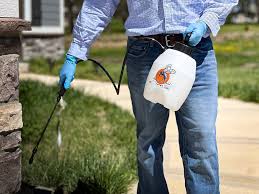
Sprays can help in certain cases, but they should not be the first answer to every problem. Spraying visible pests without fixing the source is like wiping smoke off a wall while the fire keeps burning.
For serious infestations, professional treatment may be the safer and more effective choice. This is especially true for termites, bed bugs, large roach infestations, rodents in walls, wasp nests, or repeated pest problems that keep coming back.
Use DIY Pest Control Carefully
DIY pest control can work for small, early problems. It can also make things worse when used without a plan. Many homeowners buy several products at once, apply too much, and still miss the source.
Read labels carefully before using any product. Follow directions for placement, amount, timing, and safety. More product does not mean better results. It can create risk and may even repel pests away from bait or drive them deeper into hiding.
Avoid bug bombs for most indoor pest problems. They often fail to reach pests in cracks, wall voids, and hidden nests. They can also leave residue on surfaces where people cook, eat, and relax.
Natural products also need care. Vinegar may help clean ant trails, but it will not remove a colony. Essential oils may smell strong, but they rarely solve an infestation. Diatomaceous earth can help with crawling insects, but only when used lightly and in dry, targeted areas.
Know When To Call A Professional
Some pest issues are too large, hidden, or risky for guesswork. If you keep seeing pests after cleaning, sealing, and using basic controls, the problem may need a deeper inspection.
Call for help if you see repeated rodent activity, termite signs, bed bugs, roaches during the day, wasps near an entry, or damage to wood, wiring, insulation, or stored food. You should also get help if pests affect children, older adults, pets, or anyone with allergies or breathing concerns.
A good pest control service should inspect before treating. They should explain what pest you have, where it may be coming from, what treatment they recommend, and what prevention steps matter most. Clear answers are a good sign.
Ask about follow-up visits when needed. Some pests require more than one treatment because eggs, nests, hidden activity, or building conditions can keep the problem going.
Common Pest Control Mistakes To Avoid
Many pest problems grow because homeowners react quickly but not carefully. The first mistake is ignoring early signs. One mouse dropping, one roach, or one ant trail can point to a larger issue starting behind the scenes.
Another mistake is treating only what you see. Visible pests are often the symptom, not the source. If ants are entering through a window gap, killing the ants on the counter will not stop new ones from coming in.
People also forget about clutter. Cardboard boxes, paper bags, piles of clothes, and crowded storage areas create hiding places. Pests love quiet corners where no one disturbs them.
The last big mistake is stopping too soon. Once pest activity drops, it is tempting to relax. Keep monitoring, cleaning, and sealing for a while after the problem seems gone. The finish line is not when you see fewer pests. It is when the source is controlled.
Build A Simple Year-Round Pest Prevention Plan
Pest control works best as a routine, not a panic button. A few small habits can protect your home through every season.
In spring, inspect for ants, termites, wasps, and moisture issues. In summer, watch for flies, mosquitoes, roaches, and outdoor nesting sites. In fall, seal gaps before rodents look for warmth. In winter, check attics, basements, and storage areas for signs of hidden activity.
A simple monthly checklist can help:
- Check under sinks for leaks
- Clean behind major kitchen appliances when possible
- Inspect door sweeps and window screens
- Look for droppings, gnaw marks, or insect activity
- Remove clutter from storage areas
- Keep trash and recycling clean and sealed
- Trim plants away from the home
These steps do not take much time, but they reduce the conditions pests need. Prevention is quieter than an infestation, and much cheaper too.
Final Thoughts: Protect Your Home By Controlling The Source
Defending your home from pests starts with a clear idea. Pests come inside because something allows them to enter, feed, drink, hide, or breed. Remove those conditions, and you make your home much harder to invade.
Start with inspection. Look for signs, entry points, food sources, moisture, and clutter. Then take practical steps, such as sealing gaps, cleaning problem areas, storing food properly, fixing leaks, and using targeted control methods.
If the problem is serious or keeps returning, do not keep guessing. A careful inspection and the right treatment plan can save you time, stress, and money. The sooner you act, the easier the problem is to control.
Your home does not need to be perfect to be protected. It needs a steady defense. Start with one room today, fix what you find, and keep building from there.